
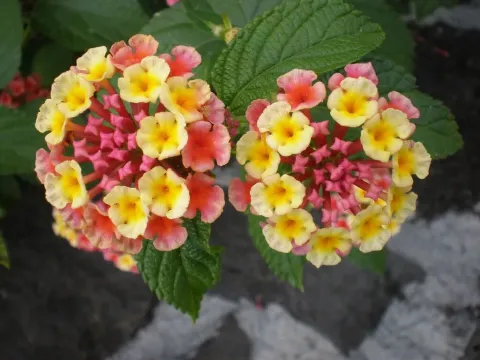
Lantana hispida
Lantana hispida
Lantana hispida is a perennial shrub belonging to the Verbenaceae family, known for its vibrant flower clusters. Propagation is typically achieved through seeds sown indoors in early spring, usually about two months before the last expected frost date.
What the section contains
Lantana hispida
The seeds require pre-soaking in warm water for 24 hours to improve germination rates. They should be sown in a high-quality seed-starting mix, lightly covered, and kept in a warm environment with temperatures between 20 and 25 degrees Celsius until sprouts appear.
Once the seedlings develop two sets of true leaves, they should be transplanted into individual pots to avoid root competition. Proper light exposure at this stage is crucial to prevent the seedlings from becoming leggy and weak before they are moved outside.
Transplanting into the garden occurs only after soil temperatures have risen significantly and all frost risks have passed. Young plants should be gradually acclimated to outdoor conditions through a hardening-off process lasting over several days.
Space the plants at least 50 centimeters apart to ensure optimal airflow, which is critical for reducing humidity levels around the foliage and preventing various common diseases associated with dense plantings.
Lantana hispida thrives in full sun conditions, requiring at least six to eight hours of direct sunlight daily to produce its characteristic colorful blooms. Insufficient light exposure will result in poor flowering and an unattractive, elongated growth habit.
The ideal soil for this species is well-drained, fertile, and slightly acidic. While it can tolerate various soil types, it performs best in loam-based mixtures that allow for rapid drainage, as the plant is highly susceptible to root rot in saturated conditions.
Watering should be managed carefully, providing deep but infrequent irrigation to encourage strong root system development. During prolonged dry spells, consistent moisture is necessary to maintain the health and vigor of the flowering shrub.
Fertilization with a balanced, slow-release fertilizer is beneficial during the growing season. Nitrogen-heavy fertilizers should be avoided, as they promote excessive leaf growth at the expense of floral production, reducing the plant's overall appeal.
Pruning is an essential maintenance task for Lantana hispida to control its size and shape. Regular deadheading of spent flowers redirects the plant's energy into producing new buds, ensuring a continuous display of color throughout the warmer months.
Whiteflies and spider mites are the most common pests affecting Lantana hispida, especially in dry, warm environments. These pests feed on the underside of leaves, causing chlorosis, stippling, and eventual leaf drop if left untreated.
Integrated pest management, including the use of horticultural oils or insecticidal soaps, is effective in controlling these infestations. Regular monitoring of the foliage is essential to detect pest activity before it causes significant cosmetic or physiological damage.
Powdery mildew represents a significant fungal threat, manifesting as a white, powdery coating on leaves and stems. This condition is most prevalent in areas with high humidity, poor air circulation, or frequent overhead watering.
Root rot caused by Phytophthora or other soil-borne pathogens is a lethal threat in poorly drained soils. The best defense is ensuring excellent drainage and avoiding overwatering, especially during cooler or overcast weather cycles.
To prevent disease spread, it is crucial to remove and properly dispose of any infected plant material immediately. Maintaining garden hygiene by clearing debris around the base of the shrubs helps reduce the inoculum level of common garden pathogens.