
Lantana canescens
Lantana canescens
Description
Growing requirements
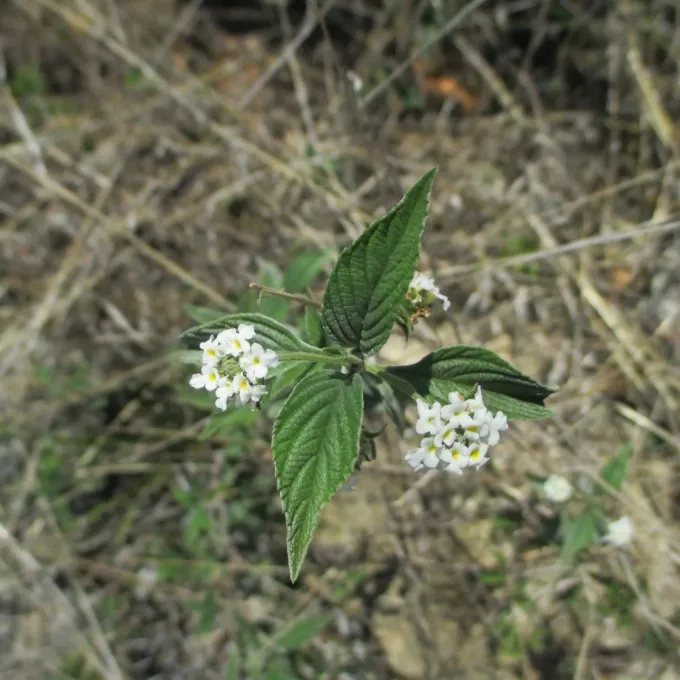
Lantana canescens is a shrubby plant belonging to the Verbenaceae family. It is distinguished by its pubescent, greyish leaves which give it a unique texture compared to other species in the genus. The plant serves as a sturdy perennial in tropical climates.
The native range of this species covers various tropical and subtropical zones in the Americas. Because of its sensitivity to frost, it is primarily managed as a greenhouse crop or a seasonal ornamental plant in regions with cooler seasonal cycles.
Optimal growth requires high light intensity, as the plant thrives under full sun exposure. In low-light environments, the plant loses its compactness and may fail to bloom, which significantly reduces its decorative and agricultural value.
The soil requirements focus on excellent drainage and moderate fertility. While the species is somewhat tolerant of poor soils, incorporating organic matter ensures vigorous growth and more abundant floral displays throughout the warm season.
Horticultural use is primarily focused on ornamental gardening and xeriscaping in frost-free regions. It is also an excellent choice for attracting pollinators, including butterflies, due to its reliable nectar production during the flowering phase.
Main diseases and pests
The plant is susceptible to common greenhouse pests, including aphids and spider mites. These pests thrive in dry environments and can quickly damage the foliage, necessitating proactive monitoring and localized treatments.
Root rot represents the most significant phytosanitary threat. This condition is usually induced by overwatering or poor soil drainage, which deprives the roots of necessary oxygen and facilitates the proliferation of soil-borne pathogens.