
Lantana indica
Lantana indica
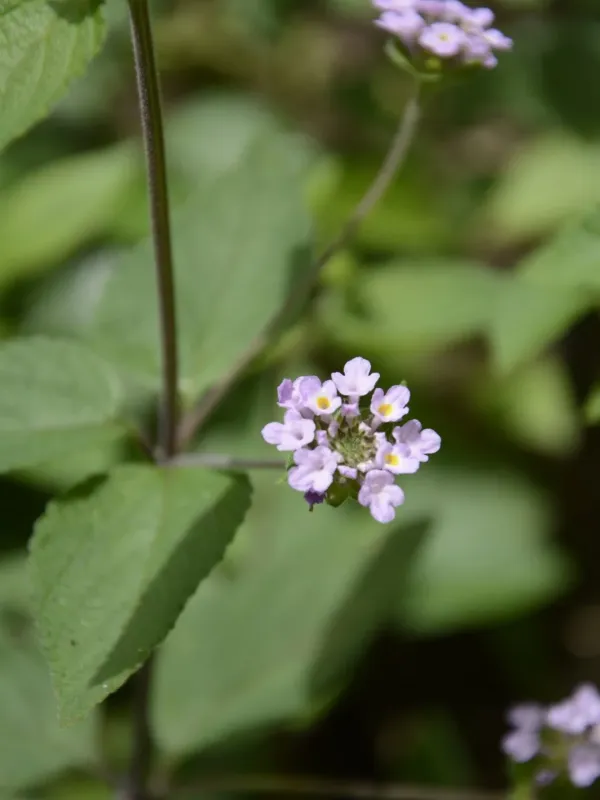
Description
Growing requirements
Lantana indica is a perennial shrub belonging to the Verbenaceae family. Originally native to tropical regions of Asia, it is recognized for its adaptability to varying light conditions and its vigorous growth habit in warm climates.
The crop thrives in well-draining, loamy soils with a pH level between 6.0 and 7.0. It requires significant solar radiation to maintain its metabolic activities, making it an ideal candidate for cultivation in greenhouse facilities with high light intensity.
Temperature management is critical for Lantana indica, as it does not possess inherent cold hardiness. Daytime temperatures should ideally range from 20°C to 30°C, while nighttime temperatures should not fall below 15°C to avoid metabolic stress.
Watering strategies must focus on maintaining consistent soil moisture without inducing waterlogging. The crop is susceptible to root rot if drainage is insufficient, which necessitates the use of raised beds or porous substrates in professional settings.
Agronomic management includes regular pruning and tip pinching to encourage branching and biomass density. This practice not only enhances plant health but also optimizes the plant for potential commercial use in the ornamental or landscaping sectors.
Main diseases and pests
Common pests associated with Lantana indica include spider mites, whiteflies, and aphids. These insects tend to proliferate under warm and dry conditions, potentially devastating the plant's foliage if not managed early.
Fungal pathogens such as Botrytis cinerea pose a significant threat during periods of high humidity and poor ventilation. Effective management requires maintaining an adequate airflow and controlling the density of plant spacing.
Root rot, primarily caused by species of Pythium, is a constant risk in intensive cultivation systems. This is usually mitigated by adopting strict irrigation schedules and ensuring the purity of the growing medium.
Viral transmission can occur through contaminated pruning tools. Maintaining strict hygiene protocols, including the sterilization of equipment between blocks, is a standard and essential industry practice.
Integrated Pest Management (IPM) programs are highly recommended, utilizing biological control agents such as predatory mites and parasitic wasps to reduce the reliance on synthetic chemicals and protect plant quality.