
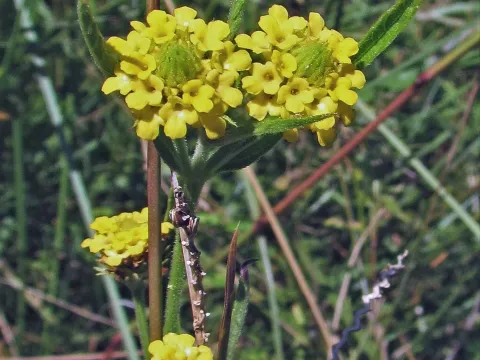
Lantana ovata
Lantana ovata
Lantana ovata is a perennial shrub belonging to the Verbenaceae family. Originating from the tropical regions of South America, this plant is widely appreciated for its robust growth habit and long-lasting floral display, making it a staple in warm-climate gardens.
What the section contains
Lantana ovata
Botanically, it is characterized by ovate, textured leaves and dense clusters of small, brightly colored flowers. A unique biological feature of this species is the color-changing ability of its blooms as they mature, which adds dynamic visual interest to the plant.
The plant requires full sun exposure to thrive. Adequate light is essential for maintaining a compact growth form and ensuring maximum flower production. In shaded environments, the plant tends to become leggy and produces significantly fewer buds.
Well-draining, nutrient-rich soil is critical for healthy root development. Lantana ovata does not tolerate waterlogged conditions, which can lead to rapid root decline. Proper soil preparation, including the addition of organic matter and grit, is advised for heavy soils.
As a heat-loving species, Lantana ovata is not frost-tolerant. In cooler climates, it is typically managed as an annual bedding plant or grown in portable containers. During the winter, plants must be moved to a protected indoor environment to survive.
Common pests affecting Lantana ovata include whiteflies and spider mites. These pests thrive in dry conditions and can cause severe damage by feeding on leaf sap, leading to stunted growth and premature leaf drop if not addressed promptly.
Powdery mildew is a prevalent fungal disease that appears as a white, powdery layer on the foliage. It is often triggered by poor air circulation and high humidity. Improving spacing between plants is an effective cultural method to mitigate this risk.
Root rot is another significant threat, usually caused by overwatering or insufficient drainage. This condition can lead to the sudden collapse of the plant. Ensuring the topsoil dries out slightly between irrigation cycles helps prevent the proliferation of rot-inducing fungi.
Aphids occasionally infest the tender tips of new shoots, causing distortion and yellowing. Regular monitoring allows for early detection, and insecticidal soaps or systemic treatments can be utilized to manage aphid populations before they cause major stress.
Maintaining plant hygiene through regular pruning and removal of spent flowers and diseased foliage is vital for overall health. These practices encourage vigorous growth and minimize the reservoir for pests and pathogens within the planting area.