
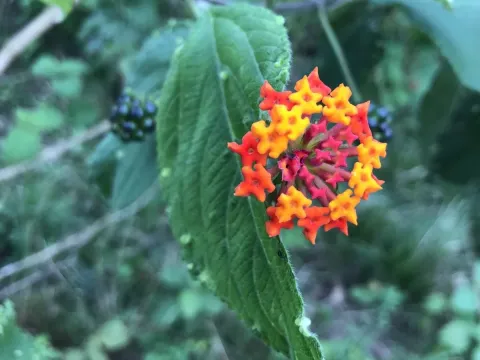
Lantana cujabensis
Lantana cujabensis
Lantana cujabensis is a species within the Verbenaceae family, native to the tropical landscapes of South America, particularly regions of Brazil. This perennial shrub has evolved to thrive in environments with abundant sunlight and warm temperatures, making it a distinctive component of tropical flora.
What the section contains
Lantana cujabensis
The crop requires well-drained, nutrient-rich soil to achieve optimal growth. It is particularly sensitive to waterlogged conditions, which can lead to root system degradation. Growers should ensure that the planting site provides adequate aeration and a slightly acidic to neutral soil profile for best results.
Temperature management is crucial for this species, as it lacks cold hardiness and requires a frost-free environment to survive. Ideally, the plant prefers temperatures ranging from +20°C to +28°C. During the growing season, consistent light exposure is necessary to maintain the plant's vigor and promote extensive flowering.
Botanically, the species is characterized by its rough, textured leaves and small, dense clusters of flowers. These structures are adapted to maximize pollination success in its native habitat. Regular maintenance, including strategic pruning, is essential to manage plant density and encourage the development of robust vegetative structures.
Agricultural management includes regular hydration cycles and periodic fertilization with balanced mineral nutrients. In large-scale cultivation, providing space for airflow between plants is vital to reduce humidity levels around the foliage, which helps maintain the overall health of the shrub throughout its life cycle.
The primary pests affecting Lantana cujabensis include spider mites and whiteflies, both of which thrive in dry, warm environments. These pests can rapidly colonize the undersides of leaves, resulting in stunted growth and the loss of photosynthetic efficiency if left untreated.
Powdery mildew represents the most frequent fungal threat to the crop, especially when air circulation is compromised or humidity levels fluctuate. Implementing proper spacing during the planting phase is the most effective preventative strategy against the spread of such fungal spores within a plot.
Root rot is a physiological and biological issue primarily driven by improper drainage management. When roots remain submerged in saturated soil for extended periods, they become susceptible to anaerobic bacteria and fungi, often leading to the sudden decline of the entire plant.
Viruses and bacterial spot pathogens can cause significant damage to leaf surfaces, often introduced by sap-sucking insects. Regular sanitation practices, including the removal of infected plant debris and the disinfection of pruning tools, are essential to minimize the transmission of these pathogens.
Monitoring the plantation for early signs of stress is key to integrated pest management. By applying scouting techniques, agronomists can identify pest hotspots early and intervene with targeted applications, ensuring the crop remains healthy while reducing the overall dependence on synthetic chemical inputs.