
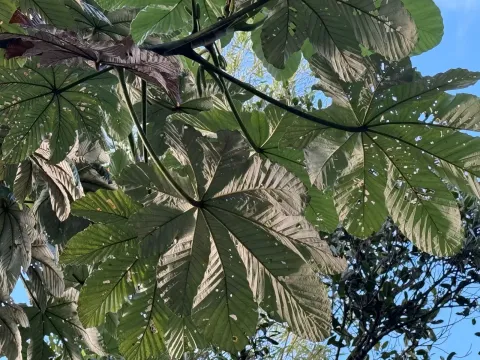
Cecropia
Cecropia
Cecropia is a genus of fast-growing, tropical trees belonging to the Urticaceae family. These trees are known as pioneer species, frequently colonizing clearings and disturbed areas in neotropical rainforests.
What the section contains
 Cecropia ferreyae
Cecropia ferreyae
Cecropia ferreyae
 Cecropia glaziovii
Cecropia glaziovii
Cecropia glaziovii
 Cecropia hololeuca
Cecropia hololeuca
Cecropia hololeuca
 Cecropia lyratiloba
Cecropia lyratiloba
Cecropia lyratiloba
 Cecropia obtusifolia
Cecropia obtusifolia
Cecropia obtusifolia
 Cecropia pachystachya
Cecropia pachystachya
Cecropia pachystachya
 Cecropia palmata
Cecropia palmata
Cecropia palmata
 Cecropia peltata
Cecropia peltata
Cecropia peltata
 Cecropia polystachya
Cecropia polystachya
Cecropia polystachya
 Cecropia schreberiana
Cecropia schreberiana
Cecropia schreberiana
 Cecropia sciadophylla
Cecropia sciadophylla
Cecropia sciadophylla
 Cecropia tessmannii
Cecropia tessmannii
Cecropia tessmannii
Cecropia
The plant requires a high-temperature, high-humidity environment to thrive. It performs best in areas with an average annual temperature above 20°C and is extremely sensitive to frost, which can be lethal to the species.
Regarding soil requirements, Cecropia is adaptable but prefers deep, well-drained soils with good moisture retention. It can tolerate a range of nutrient levels, though fertile volcanic or alluvial soils significantly boost its growth rate.
Botanically, it features large, palmate leaves and a distinct hollow trunk structure. This architecture is vital for its interaction with specialized ants, which form a mutualistic relationship by living within the hollow stems.
In terms of agricultural use, Cecropia is valued for its rapid biomass production, making it useful in paper production, light timber manufacturing, and ecological restoration of degraded lands in the tropics.
Cecropia is commonly attacked by mealybugs, which concentrate on the underside of leaves and young stems. These pests can severely weaken the tree if not managed through proper sanitary practices.
Fungal leaf spot diseases represent a significant threat in high-humidity cultivation sites. These infections flourish when canopy density is too high, preventing adequate sunlight penetration and airflow.
Bark-boring beetles pose a risk to the physical integrity of the trees, especially when the trees are stressed or already suffering from mechanical injuries to their stems. Periodic inspection of the trunk is advised.
Root rot caused by Oomycetes can occur in waterlogged soil conditions. Ensuring that the planting site has excellent drainage is the most effective way to prevent this type of pathogen development.
To maintain healthy stands, integrated pest management (IPM) should prioritize the preservation of the native ant symbionts, which provide a biological defense mechanism against many encroaching insects and herbivores.