
Cecropia obtusifolia
Cecropia obtusifolia
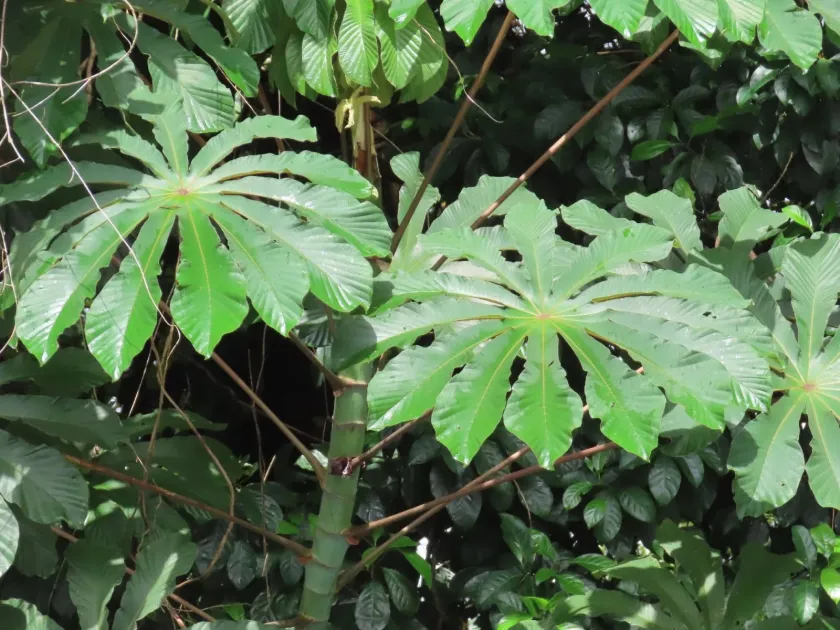
Description
Sowing dates
Cecropia obtusifolia is a fast-growing pioneer species belonging to the Urticaceae family. Propagation primarily occurs through seeds, which require specific conditions for germination: high light exposure and consistent warmth. In agricultural settings, seeds are sown in specialized nursery trays with light, peat-based substrates.
The germination period usually lasts between two to four weeks. During this time, constant moisture must be maintained, but without allowing the substrate to become waterlogged, as seeds are highly sensitive to fungal damp-off.
Once seedlings reach approximately 20 centimeters in height, they are ready for hardening-off. This process involves gradually exposing the young plants to outdoor conditions to increase their tolerance to environmental stress before final transplanting.
Transplanting is recommended at the start of the rainy season. Placing seedlings into well-prepared planting holes ensures they establish deep root systems before the onset of any potential dry periods, which is critical for long-term plant vigor.
Spacing is a crucial factor during the sowing process on larger plots. Planting in a grid with 5-meter intervals is standard practice, as it provides the necessary crown space for this species to maximize photosynthetic activity and overall growth rates.
Growing requirements
Cecropia obtusifolia is native to lowland tropical rainforest environments. It thrives in high-temperature climates where the average temperature remains between 22 and 28 degrees Celsius throughout the year, with zero tolerance for frost.
This tree requires full sun exposure to flourish. As a pioneer species, it is evolutionarily adapted to fill light gaps in the canopy, meaning that any significant shading from other trees will cause stunted growth and a decline in biomass production.
Soil quality should favor deep, moist, and well-drained conditions. The species is adaptable but performs best in slightly acidic soils. It is essential to ensure that the site does not have a compacted hardpan layer that prevents root penetration.
Consistent rainfall is necessary for optimal development. While the tree can survive short periods of moderate dryness, industrial cultivation typically requires supplemental irrigation during the dry season to maintain continuous leaf and wood production.
Soil nutrient management is often integrated with natural leaf fall cycles. Cecropia obtusifolia naturally contributes to nutrient cycling by dropping large quantities of leaf litter, which quickly decomposes to enrich the topsoil with organic carbon.
Yield
The primary yield from this crop consists of leaf material used in pharmaceutical and traditional medicinal applications. The leaves are rich in bioactive compounds such as chlorogenic acid and various flavonoids, making them valuable for cardiac and anti-inflammatory treatments.
Timber production is a secondary, yet significant, yield. The wood is exceptionally lightweight and porous, making it suitable for paper pulp production and interior panels for lightweight construction. Harvest cycles can be as short as 6 years.
Biomass productivity per hectare is among the highest for tropical tree species. This high rate of carbon sequestration and growth makes the crop an excellent candidate for sustainable agroforestry systems aimed at quick site restoration.
The fruit of the tree is an edible commodity, often harvested in local agricultural systems. Though not a primary export product, it supports the local economy and provides a food source for both humans and associated avian fauna.
Fiber extraction from the inner bark remains a specialized niche yield. This material is traditionally used for cordage and coarse textile production, demonstrating the versatile utilization of every part of the Cecropia tree.
Main diseases and pests
The tree utilizes a sophisticated biological defense system through an obligate ant-plant symbiosis. Colonies of Azteca ants reside in the hollow stems, providing protection against herbivorous insects, mammals, and even competing parasitic vines.
Despite this protection, fungal infections represent the most significant threat in commercial plantations. Pathogens such as those causing leaf spot or root rot can spread rapidly if air circulation is poor or if planting density is too high.
Leaf-eating caterpillars can occasionally bypass the ant defenses, necessitating integrated pest management. The use of biological control agents is preferred over chemical pesticides to preserve the delicate balance of the ant colony's role.
Weed management in the early stages of plantation development is essential. Invasive grasses and shrubs compete with Cecropia seedlings for light and nutrients, which can severely hinder the tree's rapid growth potential if left unchecked.
Wind damage is a common risk due to the tree's porous, light wood structure. Extreme weather events or high-velocity winds can cause stem fractures, which is why strategic plantation placement and windbreak protection are recommended in cyclone-prone areas.