
Cecropia ferreyae
Cecropia ferreyae
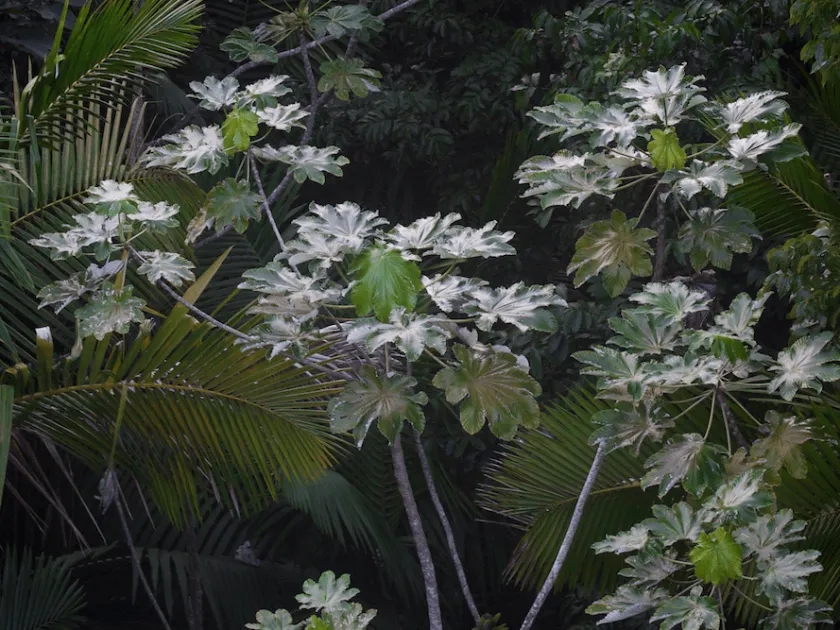
Description
Growing requirements
Cecropia ferreyae is a tropical tree species belonging to the Urticaceae family. It is widely recognized as a pioneer plant in South American rainforest ecosystems, playing a critical role in natural reforestation processes.
The climate requirements for this species are strictly tropical. It thrives in high-humidity environments with consistent annual rainfall and warm temperatures, as it is native to the lush habitats of the South American continent.
In terms of soil, Cecropia ferreyae prefers well-drained, nutrient-rich soils that facilitate rapid root development. While it is known for its ability to colonize degraded areas, optimal growth requires sufficient moisture retention in the soil profile.
Agronomic management focuses on sunlight availability, as the plant acts as a heliophyte. It grows most efficiently in cleared areas where direct sunlight is abundant, allowing for maximum photosynthetic activity and height gain.
Biological features of the plant include a hollow, partitioned stem often inhabited by symbiotic ants. This unique relationship provides the plant with natural protection against herbivores while maintaining its structural health in the wild.
Main diseases and pests
The primary threats to Cecropia ferreyae populations include both biotic and abiotic stressors. Insect infestations, particularly by wood-boring beetles, can weaken the structural integrity of the hollow trunks.
Fungal diseases occurring in excessively waterlogged soils are common threats. These pathogens typically attack the root system, leading to stunted growth and, in severe cases, the eventual death of the saplings.
Environmental degradation, such as severe soil erosion, poses a significant risk to young stands. Although the plant is a pioneer, drastic changes in soil composition can hinder its ability to establish effectively.
Competition from invasive plant species often suppresses the growth of Cecropia seedlings in the initial stages. Proper site preparation and weed management are essential to ensuring the survival of the culture during its early development.
Monitoring for signs of nutrient deficiencies is also a standard part of crop protection. Maintaining a balanced soil environment helps prevent susceptibility to opportunistic pests and diseases that exploit weak plant tissues.
Harvesting
The economic use of Cecropia ferreyae centers on the production of pulp and lightweight timber. Due to the tree's rapid growth rate, it is an attractive source for sustainable cellulose production in tropical regions.
Harvesting techniques involve clear-cutting or selective harvesting based on the management plan of the specific forestry operation. The lightweight wood is highly valued for its ease of processing and versatility in manufacturing.
Leaves and bark are secondary products often collected for local artisanal or medicinal uses. Harvesting these parts is usually done sustainably to allow the trees to continue their role in the ecosystem.
Post-harvest processing involves immediate cleaning and drying of the timber to prevent degradation by humidity and mold. The efficiency of the harvest depends heavily on the logistics and the age profile of the forest stand.
The ultimate goal of harvesting is to balance industrial output with the species' natural ability to regenerate quickly, ensuring a sustainable cycle of biomass production in managed plantations.