
Cecropia peltata
Cecropia peltata
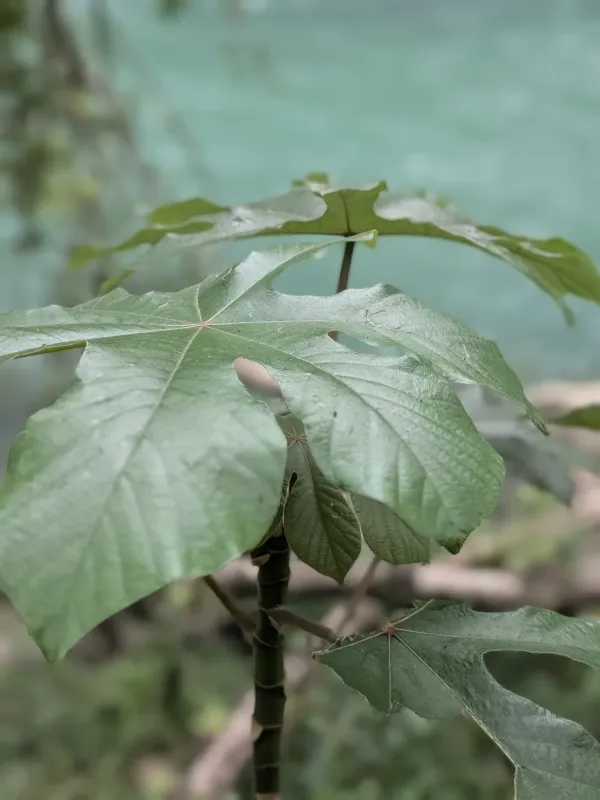
Description
Sowing dates
Cecropia peltata is widely known as a pioneer species that excels in regenerating rapidly in cleared tropical areas, primarily propagated through seeds.
The optimal time for sowing is during the onset of the rainy season to ensure that moisture levels are sufficient for the seeds to germinate successfully.
It is essential to process the seeds by removing the fleshy pulp surrounding them, which helps prevent fungal infections and improves the rate of germination.
Seeds should be sown in high-quality, organic-rich substrates in controlled nursery environments before being transplanted to the field as healthy seedlings.
Transplanting is typically carried out once the plants have developed a sturdy stem and reached a height suitable for surviving the conditions of the open field.
Growing requirements
This species is highly photophilous and requires full exposure to sunlight throughout the day to achieve its maximum potential growth rate.
The ideal soil conditions include well-drained, nutrient-rich volcanic or alluvial soils that do not allow for prolonged water stagnation.
Temperature requirements are strictly tropical, necessitating stable conditions between 22°C and 30°C to support constant metabolic activity.
Cecropia peltata thrives in environments with high relative humidity, which is standard for its native habitats in the Americas.
While the tree is relatively hardy, it is highly susceptible to frost damage and will not survive in temperate climates without significant protection.
Yield
The primary economic output of Cecropia peltata is its biomass, which accumulates at an exceptionally high rate, making it a valuable forestry resource.
The wood is lightweight and widely utilized in the manufacturing of plywood, paper pulp, and simple wooden structures in rural regions.
The fruits produced by the tree are a significant source of food for both local wildlife and human populations, often harvested for local markets.
Leaves and sap contain phytochemicals of interest to the pharmaceutical industry, providing potential secondary income streams for farmers.
Short production cycles allow for multiple harvests of timber, ensuring a consistent supply for local wood-based industries.
Main diseases and pests
Cecropia trees often engage in an obligate symbiotic relationship with Azteca ants, which defend the plant against various herbivores and pathogens.
Despite this protection, monoculture plantations may still face challenges from leaf-cutting insects and defoliators if local biodiversity is low.
Root rot and other fungal diseases can occur if the soil remains waterlogged or if the plantation density is too high to allow for air movement.
Leaf spots caused by fungal pathogens can appear during exceptionally wet periods, necessitating proper spacing and site drainage management.
Integrated pest management strategies focusing on maintaining natural ecological balance are the most effective way to prevent major outbreaks.
Harvesting
Timber harvesting typically occurs on an 8–10 year cycle, depending on the specific growth rate of the plantation and the intended wood usage.
Logging requires basic forest management practices to ensure sustainable use and to prevent damage to surrounding young trees in the stand.
Fruit harvesting is a manual, labor-intensive process that must be timed carefully to ensure the produce is at the peak of ripeness for market sale.
For pharmaceutical leaf applications, harvests should take place in the early morning to ensure maximum potency of the plant compounds before the midday sun.
Post-harvest handling is critical for all components of the tree to ensure longevity, particularly the drying process to prevent rot and mold growth.