
Cecropia schreberiana
Cecropia schreberiana
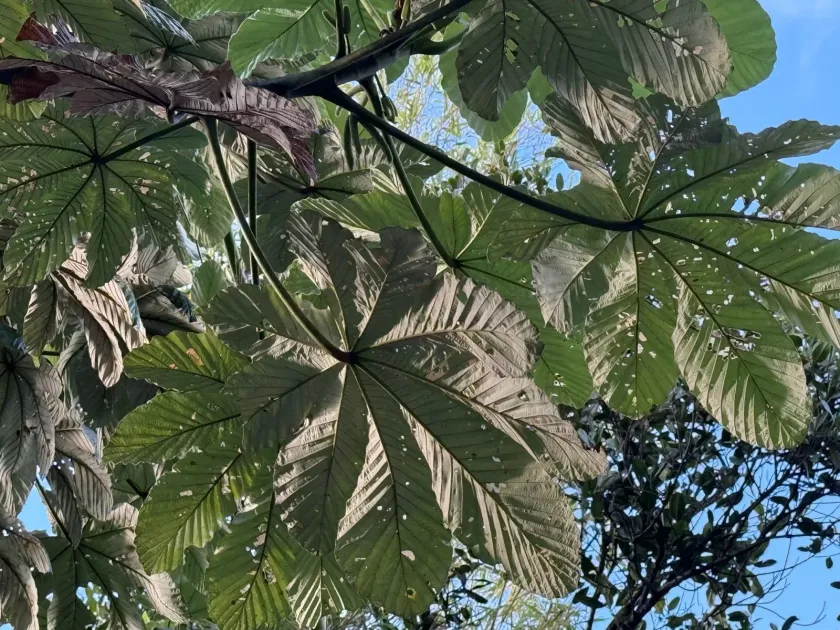
Description
Growing requirements
Cecropia schreberiana is a prominent member of the Urticaceae family, recognized globally as a pioneer species in tropical forest successions. Its rapid growth and ability to thrive in poor soils make it a key candidate for reforestation projects.
The crop demands high light intensity throughout its growth cycle. As a heliophyte, it requires open spaces and cannot tolerate canopy shading, which makes it ideal for plantations located in deforested tropical regions.
Soil requirements for this tree involve well-drained, nutrient-rich substrates, although it shows significant adaptability to various soil structures. Ensuring proper soil aeration is vital, as root systems are susceptible to damage in waterlogged conditions.
Climate needs are strictly tropical, requiring consistent high temperatures ranging from 22°C to 30°C. High humidity levels and consistent annual precipitation are necessary to maintain the plant's metabolic processes and structural integrity.
A distinctive biological trait is its symbiotic relationship with Azteca ants. These ants colonize the tree's hollow stems, providing a highly efficient defense mechanism against herbivores and invasive creepers, reducing the need for chemical pest control.
Harvesting
Commercial harvesting of Cecropia schreberiana is primarily aimed at the timber industry. The wood is lightweight, porous, and highly workable, making it perfect for manufacturing pulp, matchsticks, and various lightweight construction elements.
Management of these plantations involves systematic felling cycles. Because the species reaches maturity rapidly, it offers high economic efficiency for large-scale production cycles compared to slower-growing timber species.
Pharmacological applications are also notable. The leaves and sap are harvested for their therapeutic compounds, including flavonoids and specific alkaloids that show potential in treating metabolic disorders and skin conditions.
Beyond material harvesting, the tree is invaluable in agroforestry for its soil-improving properties. The dense leaf litter significantly contributes to the nutrient cycling process in the upper soil layers.
- Rapid pulpwood production cycle.
- Eco-friendly soil enrichment in agricultural lands.
- Medicinal leaf harvesting for specialized herbal extracts.