
Cecropia polystachya
Cecropia polystachya
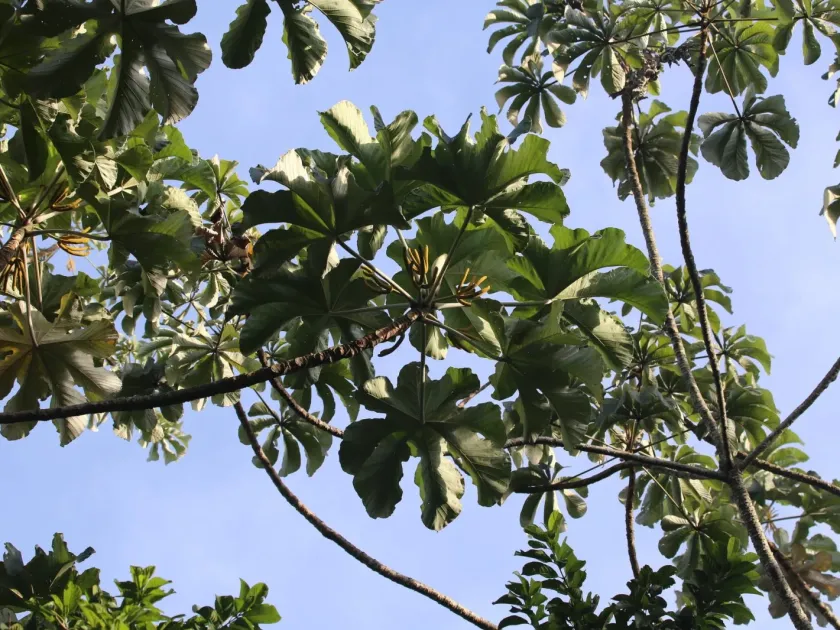
Description
Sowing dates
Cecropia polystachya is a classic pioneer species of tropical rainforests, and its propagation in agricultural settings requires specific attention. The seeds are highly photoblastic, meaning they require exposure to sunlight for germination, and should therefore be sown on the surface of a moist substrate without deep burial.
In its natural habitat, seed dispersal is facilitated by birds and bats, which deposit seeds in well-lit gaps within the forest canopy. In artificial cultivation, the optimal sowing time is immediately after the harvest of ripe fruits, as the viability of the seeds declines rapidly during storage.
For germination, it is recommended to use loose, well-aerated soil mixtures high in organic matter. The temperature should be maintained between 25 and 30 degrees Celsius, with consistently high humidity levels in both the air and the soil.
Seedlings should be pricked out once they develop several pairs of true leaves, transplanting them into individual containers. It is essential to provide young plants with access to diffused sunlight, as direct exposure can cause heat stress and damage the delicate tissues.
Outplanting into permanent sites within agroforestry systems is best conducted at the onset of the rainy season. This allows the saplings to establish their root systems and adapt to field conditions before the onset of critical drought periods.
Growing requirements
Belonging to the Urticaceae family, this species is strictly tropical and requires high temperatures for optimal growth. It prefers open areas with intense solar radiation, where it can rapidly accumulate biomass.
Cecropia polystachya thrives on well-drained, deep soils that are rich in nitrogen and phosphorus. While it can colonize degraded lands, the addition of organic fertilizers significantly accelerates growth rates and enhances wood quality.
The culture is highly sensitive to waterlogging, making the selection of a site with natural slope or an efficient drainage system a critical factor in preventing root rot. An annual precipitation range of 2000 to 3500 mm is considered ideal.
The plant maintains a unique symbiosis with Azteca ants, which reside in the hollow internodes of the trunk. These insects play a vital biological role by protecting the tree from herbivores and inhibiting the growth of competing vines.
When grown commercially, it is necessary to account for the species' rapid growth. Sufficient spacing between trees must be maintained to prevent competition for light, which could otherwise lead to stem deformation and reduced timber quality.
Yield
The primary economic output of Cecropia cultivation is its fast-growing wood, utilized in the pulp and paper industry and for lightweight construction. Biomass productivity is considered among the highest for tropical pioneer trees.
The fruits of Cecropia polystachya are edible and attract local fauna, making this crop a viable option for biodiversity restoration projects. Under proper management, fruit yield can be harvested over a sustained period.
Within plantation forestry, the tree can reach commercial harvestable size within 10 to 15 years, a remarkable feat for tropical timber species. Regular thinning and sanitary pruning are essential to optimize the yield of wood raw materials per hectare.
Cecropia leaves contain secondary metabolites that are of growing interest to the pharmaceutical sector. Research confirms the presence of compounds with antihypertensive and antioxidant properties, further diversifying the crop's commercial potential.
Overall productivity depends on planting density and site maintenance. Through sound agronomic practices, Cecropia can effectively sequester carbon, making it a sought-after species for reforestation and environmental rehabilitation programs.
Main diseases and pests
The main pests of Cecropia are specialized insects that have evolved to overcome the plant's chemical defenses, despite the presence of protective Azteca ants. Additionally, pathogenic fungi can pose a threat, particularly if roots are subjected to excessive moisture.
In high-density plantations, the spread of leaf spot diseases can reduce photosynthetic activity and hamper the growth of younger trees. Regular monitoring of foliage is recommended to detect and treat infection outbreaks early.
Despite their hollow stems, the trees can be attacked by wood-boring larvae during periods of physiological stress caused by unfavorable climate conditions. Keeping the trees in good health is the best prophylactic measure against such damage.
Competition from vines and epiphytes can severely reduce plantation productivity. Timely manual removal of climbing plants is necessary to prevent the physical deformation or premature decline of the main stem.
When trees are afflicted by aggressive pathogens, sanitary pruning of affected sections is required. The use of biological control methods for pests is prioritized due to the delicate ecological balance of tropical landscapes.
Harvesting
Fruit harvesting is performed manually once the fruits reach full maturity and develop their characteristic aroma. Care must be taken to avoid physical damage to the fruits, as this impacts their marketability and nutritional value.
Wood harvesting for industrial purposes is conducted once the trees reach the target stem diameter. This is generally timed for the dry season, as lower wood moisture content facilitates easier transportation and processing.
To ensure sustainable resource management, selective logging is employed. This practice preserves the surrounding ecosystem structure and allows for natural regeneration of the plantation from seeds dropped by the remaining parent trees.
After felling, the timber loses moisture quickly, requiring rapid processing at sawmills. The lightweight nature of Cecropia wood requires careful handling to prevent splitting or cracking during the drying process.
When harvesting medicinal material such as leaves or bark, adherence to sustainable gathering principles is mandatory to prevent endangering the health of the individual tree. Collected materials are dried in shaded, ventilated areas to preserve active phytochemicals.