
Cecropia palmata
Cecropia palmata
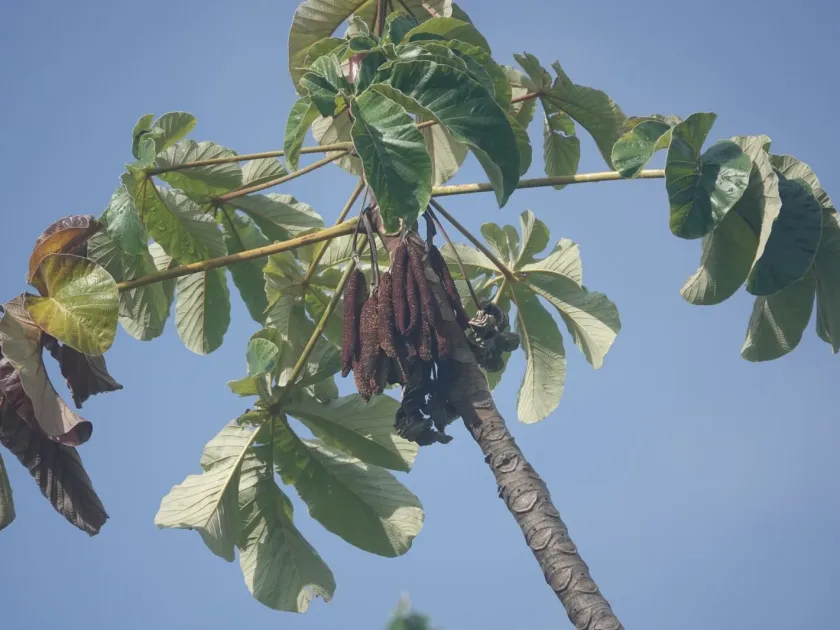
Description
Sowing dates
Cecropia palmata belongs to the Urticaceae family. It is a pioneer species known for its remarkable ability to rapidly colonize clearings and disturbed areas in tropical forests.
Propagation is primarily achieved through seeds, which require high humidity and warm conditions, ideally between 25°C and 30°C, to trigger successful germination.
Seeds should be sown in a light, porous germination medium. Proper moisture management is crucial during the early stages, but waterlogging must be avoided to prevent seed rot.
The seedlings reach a transplantable size relatively quickly. Once they have several true leaves, they can be hardened off and moved to their permanent location in the plantation.
Planting density depends on the final purpose of the crop, but spacing should ensure enough airflow between trees to reduce the risk of humidity-related fungal issues.
Growing requirements
This species is strictly tropical and thrives in regions with constant warmth. It does not tolerate frost or temperatures consistently below 18°C, which can stop growth or cause damage.
Abundant light is essential for Cecropia palmata. Being a light-demanding pioneer species, it performs poorly in the shade and requires full sun exposure to reach its growth potential.
The tree prefers deep, well-drained, and slightly acidic soils. While it can grow in various soil types, poor drainage is a limiting factor that restricts root development.
Consistent rainfall or irrigation is necessary throughout the growing season. The plant relies on high atmospheric humidity to maintain its metabolic rate and foliage health.
Routine maintenance includes keeping the area around the base free from competing weeds, especially while the saplings are establishing their root systems.
Yield
Cecropia palmata is economically valuable due to its rapid biomass production. The wood is lightweight and porous, making it suitable for the paper pulp industry and manufacturing fiberboards.
The fruit of the tree is edible and is often consumed by local communities. It is occasionally processed into jams or fermented beverages, providing a source of local income.
Medicinal properties are associated with different parts of the tree. Extracts from the leaves and bark have been studied for their potential in regulating metabolic health.
In silviculture, the tree is used as a cover crop. It effectively protects the soil from erosion and provides a cooling effect for the surrounding microclimate.
Its fast growth rate makes it a preferred choice for reforestation projects aiming to restore the canopy and improve the overall biodiversity of degraded tropical zones.
Main diseases and pests
Fungal leaf diseases are the most common concern, especially when humidity levels remain too high for extended periods, encouraging the spread of spores within the canopy.
The plant has a symbiotic relationship with certain ant species, such as those from the genus Azteca, which can sometimes become a nuisance during harvesting or maintenance tasks.
Root-knot nematodes can occasionally affect young seedlings, causing stunted growth. Implementing crop rotation or soil treatment helps mitigate this risk in nursery stages.
Weak wood structure makes older trees prone to wind breakage. Selecting sheltered sites or managing canopy density is a standard practice to prevent structural damage during storms.
Sanitation is key to disease management. Removing damaged, dead, or heavily infested branches helps maintain a healthy tree population and prevents the spread of pathogens.