
Cecropia pachystachya
Cecropia pachystachya
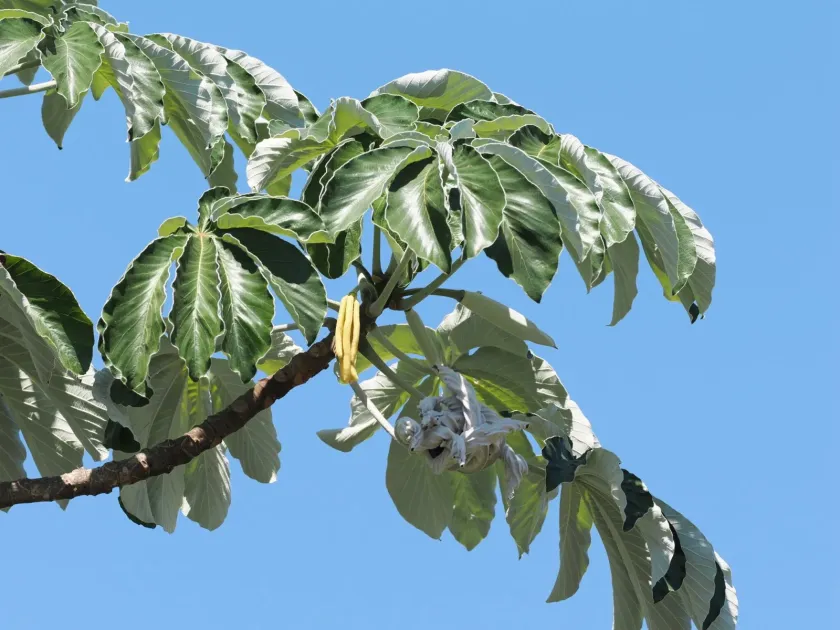
Description
Growing requirements
Cecropia pachystachya is a prominent member of the Urticaceae family, well-regarded for its rapid growth rate and ecological importance in tropical ecosystems. It originates from South America and is commonly found in forest clearings.
The climate requirements for this species are strictly tropical, necessitating high temperatures and consistent humidity throughout the growing season. It cannot survive in climates that experience frost or significant chilling periods.
Soil conditions should be well-drained and nutrient-rich, preferably with an acidic to neutral pH level. As a pioneer species, it adapts well to disturbed soils, though optimal yields depend on good soil structure and moisture availability.
Agrotechnical management focuses on site preparation and monitoring the symbiotic relationship with native ant colonies, which is an essential biological trait of this genus. Sufficient sunlight is crucial, as the tree exhibits high heliophytic characteristics.
The primary economic value of this crop is its potential for biomass production, wood utilization for light construction, and its traditional use in phytotherapy. It is also an essential component in reforesting degraded lands.
Main diseases and pests
Common pests affecting this species include various leaf-eating insects and wood-boring beetles that can damage the trunk if the plant is under physiological stress.
Fungal infections of the root system represent a major threat, particularly in poorly drained soils where water stagnation facilitates the growth of pathogenic fungi.
Powdery mildew and leaf spot diseases may appear in environments with low airflow or high humidity levels, particularly in dense plantations or nursery conditions.
Effective pest management involves biological controls and regular field inspections to detect early symptoms of infestation or pathogen proliferation.
Strategic thinning and providing adequate spacing between trees are critical cultural practices that enhance the overall health and vigor of the Cecropia stands.