
Cecropia lyratiloba
Cecropia lyratiloba
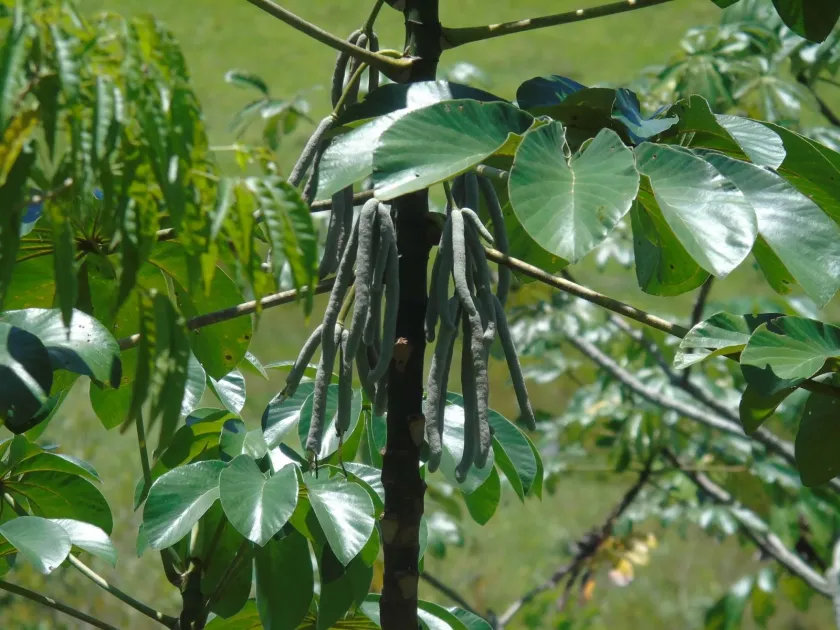
Description
Sowing dates
Cecropia lyratiloba is a pioneer species that thrives in disturbed tropical environments. In agricultural settings, seeds are typically sown in early spring into a well-prepared, moisture-retentive soil rich in organic matter to ensure rapid germination.
Successful germination requires a stable temperature range of 24 to 28 degrees Celsius and high humidity levels. Pre-sowing seed stratification is recommended to break dormancy and achieve a uniform emergence of seedlings across the plot.
Seedlings are highly vulnerable to intense sunlight in their early stages of growth. Nursery management should involve shading the young plants until they reach a height of 20 to 30 centimeters to prevent wilting and heat stress.
Transplanting should be done with a spacing of at least 3 to 4 meters between trees. This distance allows for the rapid expansion of the canopy and ensures that each plant receives sufficient light for optimal development.
Watering must be carefully managed to maintain consistent soil moisture without causing waterlogging, which is a common cause of root rot in young Cecropia plants during the first few months of growth.
Growing requirements
As a member of the Urticaceae family, Cecropia lyratiloba is characterized by its hollow stems and rapid growth habit. It is native to the humid tropical regions of South America, primarily flourishing in Brazilian ecosystems.
The crop prefers well-drained, fertile soils with a pH ranging from 5.5 to 6.5. High nitrogen availability in the substrate is essential for supporting the intense biomass production required for industrial agricultural cycles.
As an obligate heliophyte, the plant requires full sun exposure for most of its life cycle. Insufficient light leads to etiolation, reduced photosynthesis, and a significant decrease in overall yield potential.
The ideal climate for this crop is characterized by high annual rainfall with no distinct dry season. The plant is sensitive to cold snaps and desiccating winds, which can significantly inhibit its growth rate.
Agrotechnical practices include the application of balanced NPK fertilizers during the peak growing season to sustain its high metabolic rate, which is necessary for maintaining healthy foliage and structural integrity.
Yield
The primary industrial use of Cecropia lyratiloba is the production of cellulose for the paper industry, thanks to its fast growth rate and high fiber content. Large quantities of biomass can be harvested in relatively short rotations.
Leaves and bark contain bioactive compounds used in traditional South American medicine. These include secondary metabolites that are currently under research for potential cardiovascular and antihypertensive applications.
In agroforestry, this crop is valued for its ability to rapidly form a protective canopy, which prevents soil erosion and suppresses weeds on degraded or cleared land.
Yields of wood fiber are optimized through intensive management of soil nutrients and proper spacing. When cultivated under ideal conditions, the tree demonstrates high efficiency in resource conversion.
Medicinal raw material is typically harvested when the concentration of target pharmacological compounds is at its peak, usually following the period of most vigorous vegetative growth.
Main diseases and pests
Fungal infections of the foliage are the most common health threats, especially in plantations with poor air circulation. Regular monitoring and strategic thinning of the canopy help mitigate these risks effectively.
Various tropical insects may target the leaves. While some ant species coexist in a mutualistic relationship with the plant, others may act as pests that require integrated pest management strategies.
Nematode infestations in the root zone are a major concern, particularly in sandy soil types. Utilizing clean, certified nursery stock is the primary defense against such soil-borne pathogens.
Stem rot can be devastating to the entire plant. Maintaining plantation hygiene and ensuring that the bark is not mechanically damaged during field operations are critical preventative measures.
Biological control methods are highly recommended over chemical pesticides to maintain the ecological balance of the plantation and ensure the purity of medicinal raw materials.
Harvesting
Harvesting wood biomass is typically performed mechanically once the trees reach technical maturity. The rotation cycle usually spans between 5 to 8 years depending on the intended final use of the harvested wood.
Leaves are collected via manual labor to prevent unnecessary damage to the trees. Immediate post-harvest drying under shaded conditions is necessary to preserve the stability of the active pharmacological compounds.
Proper scheduling of the harvest is crucial for maintaining the regrowth capacity of the plantation, especially when implementing selective harvesting techniques.
Effective waste management after the harvest includes shredding plant residues to provide nutrient-rich mulch, which aids in soil improvement for the next agricultural cycle.
Storage of the processed materials requires low-humidity environments to prevent fungal contamination and the degradation of bioactive components over time.