
Cecropia sciadophylla
Cecropia sciadophylla
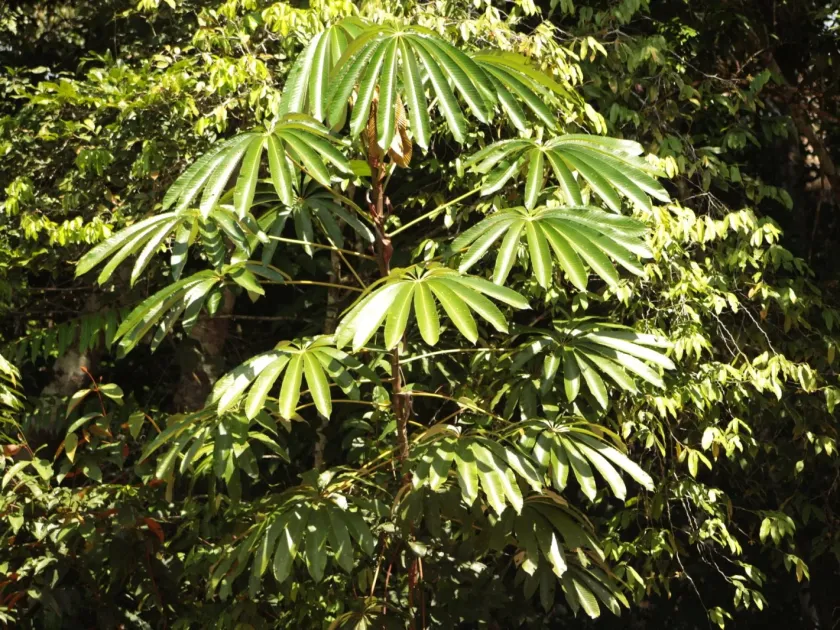
Description
Growing requirements
Cecropia sciadophylla, belonging to the Urticaceae family, is a distinctively fast-growing tree species native to the Amazon basin and broader tropical regions of South America.
This species thrives in high-light environments and is considered a pioneer species, frequently colonizing gaps in forest canopies and abandoned agricultural lands.
It prefers well-drained, nutrient-rich soils but shows remarkable adaptability to various tropical soil types provided there is no prolonged waterlogging.
Optimal development requires warm temperatures throughout the year, typically ranging between 22 and 28 degrees Celsius, with no exposure to frost or cold stress.
Agricultural management should prioritize sufficient spacing to accommodate the expansive, umbrella-like crown, which is essential for the tree's vigorous photosynthetic activity.
Yield
The primary economic value of Cecropia sciadophylla lies in its rapid biomass accumulation, making it a valuable candidate for reforestation and carbon sequestration projects.
Its wood is lightweight and utilized in light construction, as well as in the production of paper pulp due to its favorable fiber characteristics.
Main diseases and pests
The plant maintains a sophisticated symbiotic relationship with Azteca ants, which reside in hollow stems and provide protection against most leaf-eating herbivores.
In managed plantation settings, the main threats include potential outbreaks of fungal pathogens during periods of excessive rainfall and stagnant air circulation.