
Cecropia glaziovii
Cecropia glaziovii
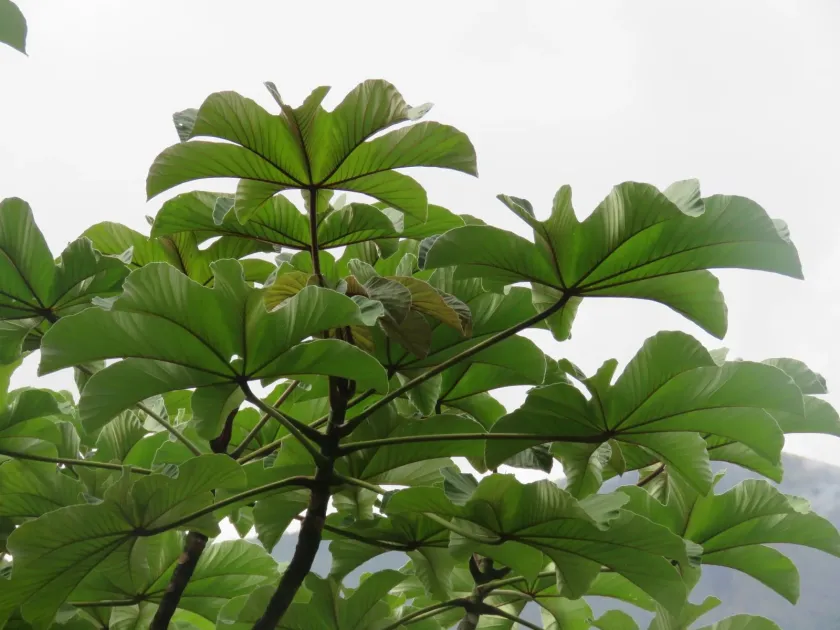
Description
Growing requirements
Cecropia glaziovii is a fast-growing tropical tree species belonging to the Urticaceae family. Native to the Atlantic Forest of Brazil, it is recognized for its significant ecological role in forest succession and regeneration.
The botanical structure of the plant is distinctive, featuring large, palmately lobed leaves and a hollow trunk, which often serves as a habitat for symbiotic ants in its natural environment. It typically reaches moderate heights, acting as a canopy builder.
The climate requirements for this culture strictly demand tropical conditions with high humidity and warm temperatures year-round. It is not cold-hardy and requires protection from even light frost to ensure survival and optimal biomass production.
Regarding soil preferences, it thrives in deep, fertile soils that provide excellent drainage. While it is adaptable to different soil compositions, it displays rapid development when soil acidity is managed to stay within a neutral to slightly acidic range.
Economically, Cecropia glaziovii is increasingly studied for its medicinal properties. The leaves contain compounds known for potential anti-inflammatory and diuretic effects, making it a plant of interest for natural pharmaceutical production.
Main diseases and pests
The primary threats to Cecropia glaziovii plantations involve fungal infections that target the leaf tissue during periods of high humidity. Effective management requires adequate spacing between trees to improve airflow and reduce fungal spore accumulation.
Insect pests, particularly lepidopteran larvae, can cause significant defoliation in young plantations. Integrated pest management, involving mechanical removal and biological control agents, is recommended to minimize damage.
Soil-borne pathogens represent another risk, especially in low-lying areas with poor drainage, which can trigger root rot. Selecting sites with natural slope or engineered drainage is essential for plantation longevity.
Scale insects can occasionally infest the stems, particularly under greenhouse conditions. Regular monitoring of the bark and main stems allows for early detection and intervention using horticultural oils or soaps.
Weed competition during the initial establishment phase can suppress the growth of young Cecropia trees. Applying mulch or using manual weeding techniques is crucial to ensure that the plants secure enough light and nutrients in the first two years.