
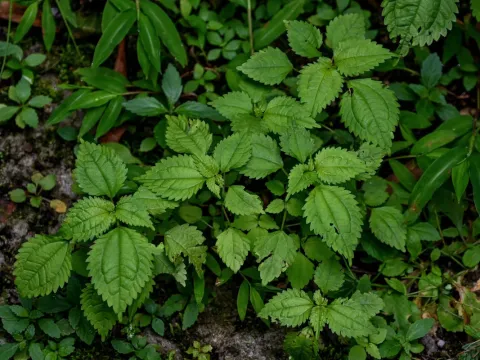
Achudemia
Achudemia
Sowing of Achudemia should be performed once the soil has warmed up sufficiently, typically in late spring, to ensure rapid and uniform seed germination.
What the section contains

Achudemia
Proper soil preparation is essential; the seedbed should be finely tilled and free of debris to allow the seedlings to establish a strong root system early on.
Seeds are placed at a shallow depth of about 1 to 2 centimeters. Maintaining consistent soil moisture immediately after planting is critical for success.
Spacing between rows should be maintained at 45–60 centimeters to provide adequate space for vegetative expansion and to facilitate mechanical weeding processes.
In regions with short growing seasons, it is advisable to start the crop in trays under controlled greenhouse conditions before transplanting to the field.
The plant thrives in well-drained, fertile loam soils that are rich in organic matter, avoiding any sites prone to waterlogging or anaerobic conditions.
Achudemia is a sun-loving species; therefore, selecting a location with full exposure to sunlight for the majority of the day is vital for maximum productivity.
Maintaining a soil pH between 6.5 and 7.0 is ideal, as this range optimizes the availability of essential micronutrients for the plant throughout the season.
Water requirements vary based on the growth stage, with increased demand during the rapid vegetative development phase and the approach of flowering.
Regular fertilization with a balanced NPK fertilizer supports healthy leaf production and strengthens the plant's overall resistance to environmental stresses.
The yield of Achudemia is highly dependent on the precision of the agricultural management system, including water supply and nutrient availability throughout the season.
Plantations typically reach their peak production potential during the second and third year of cultivation, given that they are maintained as perennial crops.
Strategic harvesting cycles allow producers to maximize the total biomass collected while ensuring the plants have enough energy stored for winter survival.
Effective weed management is a significant driver of yield; preventing competition for resources is essential to ensure the crop attains its full genetic potential.
Monitoring the plant density within the field helps maintain a balance between vegetative volume and the overall health of the plantation population.
Fungal pathogens such as powdery mildew represent the primary threat to this crop, especially in environments with high humidity and stagnant air circulation.
Root rot caused by poor soil drainage can lead to significant plant loss, making proper field selection and site preparation the first line of defense.
Insect pests, including aphids and various mite species, can damage leaf tissue and transmit viral diseases, requiring diligent scouting and early intervention.
Integrated pest management strategies are recommended, focusing on preventative measures like sanitation and the use of resistant varieties when available.
Chemical control should only be used when monitoring indicates that pest populations have exceeded the economic threshold, following all safety labels strictly.
Harvesting should be timed to coincide with the period of peak nutrient concentration, which is usually reached just prior to the start of the full flowering stage.
Mechanical harvesting equipment should be calibrated to avoid damaging the crown of the plant, ensuring that it remains viable for future seasonal growth.
After collection, the crop must be handled carefully to prevent heating and spoilage, as the high moisture content of fresh biomass can lead to rapid degradation.
Post-harvest processing often involves immediate drying or transport to cold storage to preserve the integrity of the bioactive compounds within the plant tissues.
Clean-up operations after the harvest are necessary to reduce the incidence of over-wintering diseases and pests in the field for the following season.