
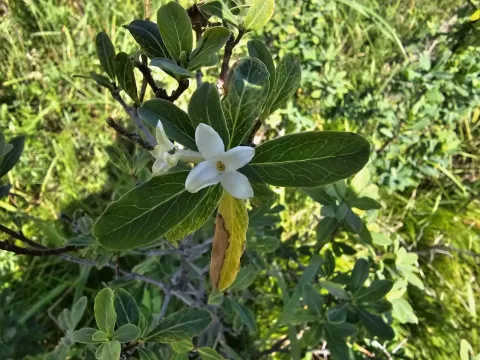
Daphne altaica
Daphne altaica
Daphne altaica is a perennial deciduous shrub belonging to the Thymelaeaceae family. Its natural distribution is primarily found in the Altai mountains and parts of Western Siberia, where it thrives in rocky outcrops and mountain slopes.
What the section contains
Daphne altaica
In cultivation, this plant requires excellent drainage as a top priority. It performs best in neutral or slightly alkaline soils that mimic its native limestone-rich habitats, avoiding heavy or acidic substrates that cause root rot.
The shrub is highly hardy and well-adapted to continental climates with cold winters and distinct seasonal temperature shifts. It prefers full sun or light partial shade, especially in areas with very high summer temperatures.
Regarding moisture, Daphne altaica demands consistent but moderate irrigation. It is essential to ensure that the root zone is never waterlogged, as stagnant water is the most frequent cause of plant decline.
Gardeners should focus on mulching the soil surface to maintain moisture levels and protect the roots from extreme heat during the summer months, while ensuring the stem base remains dry to prevent fungal issues.
The most significant threats to the health of Daphne altaica are fungal pathogens, particularly those triggered by poorly draining soil or excessive moisture around the crown. Root rot and leaf spot are common issues.
Pests that may impact the plant include aphids and leaf-eating beetles. In dry environments, spider mites can become an issue, leading to foliage discoloration and premature leaf drop.
Preventive maintenance involves pruning dead or damaged branches during the dormant period to encourage airflow and light penetration, which significantly reduces the risk of fungal proliferation.
If chemical interventions are necessary, systemic fungicides or targeted insecticides should be used in accordance with local regulations, specifically during the early stages of infestation.
Due to the toxic nature of all parts of this shrub, including the berries and sap, extreme caution must be exercised during pruning or transplanting. Always wear protective gloves and avoid contact with the eyes or skin.