
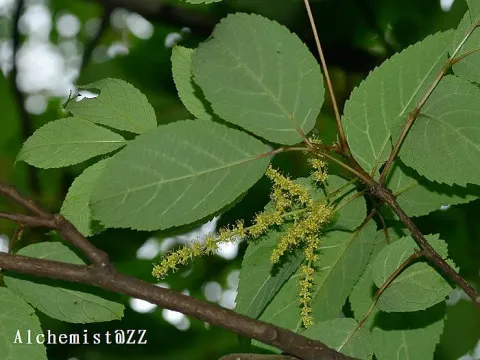
Tapiscia
Tapiscia
Propagation of Tapiscia is primarily achieved through seeds or semi-hardwood cuttings. Seeds require a period of cold stratification to break dormancy and ensure uniform germination.
What the section contains

Tapiscia
Sowing should be performed in a well-draining soil mix during early spring, once the threat of frost has passed. Seeds should be covered with a thin layer of soil to maintain moisture.
When using cuttings, select healthy shoots during the active growth phase and place them in a humid environment. Rooting hormones can be used to accelerate the development of the root system.
It is recommended to cultivate seedlings in pots for the first two years. This method allows for closer monitoring of growth and protection against environmental stress during the early stages.
Transplanting into the garden should be done carefully to avoid damaging the root ball. Choose a location with sufficient space to accommodate the tree's future growth and spread.
Tapiscia is a genus of deciduous trees belonging to the family Tapisciaceae, native to the temperate and subtropical forests of East Asia, including China.
The tree requires fertile, well-drained soil with a slightly acidic to neutral pH level. Proper drainage is essential to prevent root rot, as the species is sensitive to waterlogged conditions.
Sunlight is crucial for the healthy development of Tapiscia. While young trees might benefit from partial shade, mature specimens thrive in full sun conditions, which promotes better foliage density.
Regular irrigation is necessary to establish the root system in the first years after planting. As the tree matures, it develops a moderate tolerance for drier soil conditions.
Climate adaptation is important; Tapiscia generally prefers mild temperatures. Protection from harsh winter winds and heavy frost is advisable for younger or more sensitive plants in northern regions.
Like many exotic tree species, Tapiscia can be susceptible to various fungal infections if grown in poor drainage conditions. Leaf spots or root rots are potential concerns in damp climates.
Pest issues such as aphids or scale insects may occasionally appear on young leaves or shoots. Regular inspection of the canopy can help identify these infestations early.
Preventive measures include maintaining good airflow around the tree to minimize fungal growth. Avoid overhead watering to keep foliage dry during humid periods of the year.
If pests are identified, biological control methods or environmentally friendly soaps are recommended. Harsh chemical treatments should be avoided to protect local beneficial insect populations.
Weakened trees are more prone to infections. Proper fertilization and routine pruning of damaged branches contribute significantly to the overall vigor and disease resistance of the plant.
Tapiscia is primarily utilized as a decorative element in botanical gardens and landscapes. It is valued for its unique botanical features and elegant structure in diverse plantings.
Fruit harvesting is limited to gathering seeds for propagation purposes. This is typically done in late autumn when the small drupes reach their maturity stage on the tree.
While the wood is generally not harvested for commercial timber, it is recognized for its durability. Any pruning material can be shredded and used as mulch to enrich the soil.
Maintenance pruning is essential to preserve the tree's health. Remove any deadwood or crossing branches in late winter to encourage strong development in the coming season.
The aesthetic value of the tree increases with age. Proper care during the autumn season, such as applying organic mulch, helps the plant survive the dormancy period successfully.