
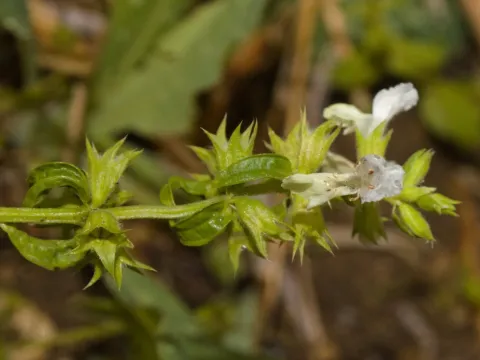
Stachys pubescens
Stachys pubescens
Stachys pubescens, commonly known as a type of woundwort, is a herbaceous perennial plant belonging to the Lamiaceae family. It is characterized by its distinct hairy foliage and upright stem, which are hallmarks of this taxonomically diverse family of plants.
What the section contains
Stachys pubescens
Originating from temperate regions, this plant thrives in sunny locations with well-draining soil. It is well-adapted to habitats like dry grasslands and open meadows, showing significant resilience to environmental stressors throughout its growing season.
In agricultural practice, the crop requires soils with a neutral or slightly alkaline pH. Light loamy or sandy soils are ideal because they prevent water accumulation, which can be detrimental to the plant's root development during periods of high rainfall.
The plant demonstrates remarkable drought tolerance once established, making it a reliable option for fields in semi-arid conditions. Adequate spacing is essential to ensure proper air circulation and to promote healthy growth of the aerial parts of the plant.
Temperature management plays a vital role in biomass accumulation. The species prefers moderate temperatures ranging from 18°C to 25°C, ensuring consistent metabolic activity and the production of high-quality plant material suitable for further industrial use.
The main phytosanitary issues for Stachys pubescens include fungal infections, particularly powdery mildew and various root rots, which are often exacerbated by excessive soil moisture and poor drainage in the field.
Insect pests, such as aphids and spider mites, frequently target the leaves of the plant, especially during hot and dry weather. These pests can significantly reduce photosynthetic efficiency if left uncontrolled, leading to stunted plant growth.
Integrated pest management (IPM) strategies are recommended to maintain field health. This includes the use of organic pest control methods and ensuring that the crop is not stressed by nutrient deficiencies or severe drought conditions.
Crop rotation is crucial to minimize the risk of soil-borne diseases and nematode infestations. Implementing a three-year rotation cycle with non-host crops is standard practice to break the life cycle of common soil pathogens.
Regular inspection of the fields allows for early detection of potential threats. By maintaining clean borders and removing weeds that could act as alternative hosts, farmers can significantly reduce the pressure of pests and diseases on their crops.