
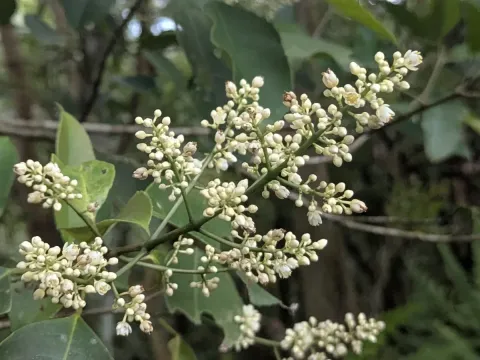
Turpinia
Turpinia Vent.
Turpinia (Turpinia Vent.) is a genus of evergreen or deciduous trees and shrubs belonging to the Staphyleaceae family. These plants are recognized for their opposite, pinnately compound leaves and their structural elegance, which makes them a point of interest for botanical gardens.
What the section contains
Turpinia
The origin of this genus is traced back to the tropical and subtropical regions of Asia and the Americas. The natural habitat typically involves humid forests where plants are shielded from extreme weather conditions and benefit from a steady supply of moisture.
For cultivation, Turpinia requires nutrient-rich, well-draining soil to prevent root rot, which is a common issue in poorly aerated growing media. The plants prefer a stable climate with consistent temperatures, as they are not adapted to survive frost or significant cold stress.
Regarding light, these plants thrive in dappled or filtered sunlight. Direct exposure to intense, scorching midday sun can damage their foliage, so providing partial shade is recommended when maintaining them in an indoor or controlled outdoor environment.
The economic and practical use of Turpinia is largely decorative. It is primarily cultivated for its architectural form and foliage appeal. Some regional uses include the utilization of its wood by local artisans for crafting furniture and small wooden tools, reflecting the plant's traditional utility.
Pathogenic fungi are the primary threat, especially in conditions where air circulation is poor and humidity levels are excessively high. Improving ventilation and maintaining proper spacing between plants significantly reduces the risk of fungal infections and leaf blight.
Common pests such as scale insects and spider mites can infest the foliage, particularly under stress or in dry air conditions. Routine monitoring and the application of appropriate horticultural soaps or systemic treatments are effective strategies for managing these populations.