
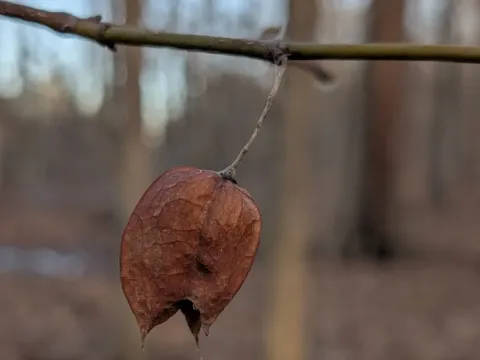
Staphylea
Staphylea
Staphylea, commonly known as bladdernut, is a genus of deciduous shrubs or small trees belonging to the Staphyleaceae family. These plants are native to the temperate regions of the Northern Hemisphere, including parts of North America, Europe, and Asia.
What the section contains
Staphylea
Successful cultivation requires rich, well-draining soils with a neutral or slightly acidic pH. The plant thrives in semi-shaded environments, avoiding harsh direct sunlight which can scorch the foliage in extremely dry conditions.
The climate requirements include moderate humidity and protection from severe winds. While the species is hardy, young plants benefit from mulching to protect their roots during the first winter season after transplanting.
Agronomic management involves periodic pruning to maintain structural integrity and encourage flower production. Propagation is typically achieved through seeds requiring stratification or softwood cuttings taken in late spring.
Economic uses include ornamental planting in landscape design and food production. Specifically, the flower buds are often harvested and pickled as a gourmet substitute for capers, adding a unique culinary value to the crop.
Staphylea is generally resistant to most major diseases. However, waterlogged soil can lead to root rot, which is the most critical threat to the plant's health.
Common pests include aphids and mites, particularly during warmer months. Regular monitoring and maintaining proper air circulation through the canopy are essential preventive measures against infestations.