
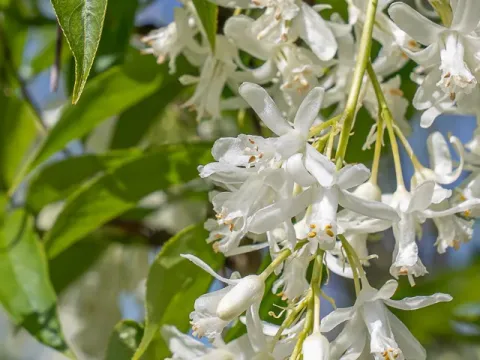
Staphylea elegans
Staphylea elegans
Propagation of Staphylea elegans is effectively performed via seeds, which require a mandatory cold stratification period to break dormancy and ensure high germination rates.
What the section contains
Staphylea elegans
Sowing in autumn is recommended, as exposure to winter temperatures naturally prepares the seeds for emergence when spring temperatures stabilize and reach optimal levels.
Vegetative propagation via softwood cuttings taken in mid-summer is an alternative method, allowing for the preservation of desirable parental traits in new plants.
Rooting success depends on maintaining consistent humidity levels and using a well-draining rooting medium, typically consisting of peat and perlite mixtures.
Newly propagated plants should be hardened off in a nursery area before being transplanted to their final location, ensuring they are robust enough to withstand environment stress.
Staphylea elegans thrives in locations with partial to full sunlight, provided the soil moisture is kept consistent, especially during the peak of the summer growing season.
The culture requires fertile, loamy soils that possess excellent drainage qualities to prevent root rot, which is the most common cause of failure in poorly managed plots.
A neutral to slightly acidic pH level is optimal for nutrient uptake, helping the shrub achieve healthy foliage and vigorous blossom production throughout the season.
Regular maintenance including organic mulching helps retain moisture in the root zone and suppresses weed growth, reducing the need for intensive soil cultivation.
Protection from severe frost is necessary during the first two to three years of growth, as young specimens are significantly more sensitive to extreme temperature drops.
While the crop is generally robust, it may occasionally face pressure from aphids that attack the tender young shoots during the early spring growth phase.
Fungal leaf spot diseases can occur in areas with poor air circulation or excessively high humidity, leading to premature defoliation and reduced plant vigor.
Regular monitoring for spider mites is advised during hot and dry summer spells, as these pests can rapidly proliferate on the underside of leaves and weaken the host.
Root rot caused by Phytophthora species is a serious risk if the soil remains waterlogged, necessitating careful attention to the drainage infrastructure in the plantation.
Applying preventative horticultural oils or biological control agents is often sufficient to maintain pest populations below the economic injury level for the shrub.
The harvest of the ornamental pods should occur when they are fully formed yet still pliable, ensuring they do not shatter before they can be utilized in floral arrangements.
Careful handling during harvest is essential, as the branches of the shrub can be somewhat brittle and prone to breaking if not approached with appropriate agricultural tools.
For culinary use, the flower buds are harvested just before they open, a process that requires timing to capture the peak aromatic qualities for pickling or fermenting.
Post-harvest processing involves air-drying the pods in a cool, dark environment to stabilize their structure and prevent color degradation caused by UV radiation.
Proper harvest management ensures that the shrub remains healthy for subsequent years, as over-harvesting can limit the overall biomass and reproductive potential of the plant.