
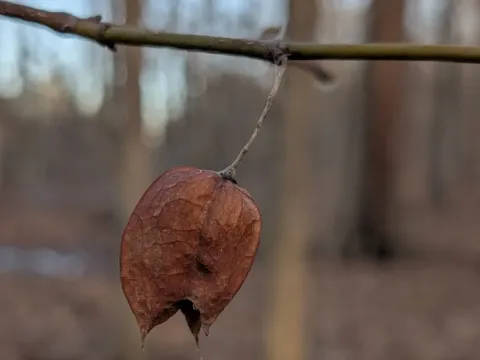
Euscaphis
Euscaphis
Euscaphis is primarily propagated from seeds, which possess a biological mechanism requiring a period of dormancy. To ensure successful germination, seeds must undergo cold stratification at temperatures ranging from 1°C to 5°C for approximately 8 to 12 weeks.
What the section contains
Euscaphis
Sowing is recommended for late winter or early spring using a well-draining soil mix in containers or protected environments. In regions with milder climates, direct outdoor sowing during autumn allows the seeds to benefit from natural winter stratification.
The seeds should be covered with about 1–2 centimeters of fine soil or vermiculite. Consistent moisture must be maintained throughout the entire germination period, which may last several weeks depending on environmental conditions.
Seedlings are delicate during their first months and should be kept in a partially shaded area to prevent scorching from intense sunlight. As the plants grow, they can be gradually exposed to more light to harden off before final planting.
Transplanting young Euscaphis trees requires care, as the root system is sensitive to disturbance. It is best to wait until the plant is at least two years old and to move it with a substantial root ball during the dormant season.
Euscaphis, a genus in the Staphyleaceae family, is a deciduous tree or shrub native to the temperate forest regions of East Asia. It is often found growing in the understory of broadleaf forests in China, Japan, and Korea.
The plant thrives in locations that receive partial shade to full sun, provided the moisture levels are adequate. It is important to select a site sheltered from strong, drying winds, which can damage the slender branches.
The soil should be fertile, loamy, and slightly acidic to neutral in pH. Excellent drainage is critical, as Euscaphis is highly susceptible to root rot if the roots are left in stagnant water for extended periods.
Regarding climate, Euscaphis is best suited for regions with moderate temperatures. While it has some level of cold tolerance, young specimens may require protection from harsh frost to prevent dieback of the new season's growth.
Routine maintenance includes annual mulching to regulate soil temperature and conserve moisture. Fertilizing with balanced, slow-release organic nutrients during the early spring encourages vigorous growth and foliage health.
Euscaphis is primarily valued for its ornamental characteristics rather than large-scale agricultural yield. Its main aesthetic appeal lies in its unique, bladder-like fruit pods, which turn a vibrant red or crimson when mature.
The fruit pods are often harvested for use in dried floral arrangements and home decor, where they provide an exotic and lasting textural element. This gives the plant a niche market value in the craft and floriculture sectors.
The seeds produced by the plant are also a subject of research in botanical and pharmaceutical studies due to the presence of secondary metabolites. However, this is not yet a commercial focus for large-scale production.
Yielding a healthy harvest of seeds for nursery propagation requires allowing the tree to reach maturity, which typically occurs after several years of consistent growth. Proper fertilization and sunlight ensure more consistent fruit set.
Overall, the economic utility of Euscaphis is tied to its role in landscape architecture and botanical collections. It serves as a striking focal point in gardens due to its distinct appearance and seasonal color shifts.
Euscaphis is relatively robust, but it can be susceptible to fungal diseases if grown in improper soil conditions. The most common threat is root rot, which typically stems from poor drainage or overwatering during the growing season.
Leaf spot diseases may occasionally occur, especially during periods of high humidity and poor air circulation. Improving airflow through selective pruning and applying appropriate fungicides can manage these symptoms effectively.
Insect pests, such as aphids or spider mites, may infest young foliage during dry spells. Regular monitoring of the underside of leaves allows for early detection and manual removal or the use of organic insecticidal soaps.
Good garden hygiene is the most effective preventative measure. Removing fallen leaves and debris from the base of the plant reduces the potential for pathogens to overwinter and re-infect the plant in the following spring.
Maintaining a strong, well-nourished tree is the best way to prevent damage. A plant that is not stressed by drought or nutrient deficiency will have a much higher natural resistance to common garden threats.