
Tapiscia
Tapiscia sinensis
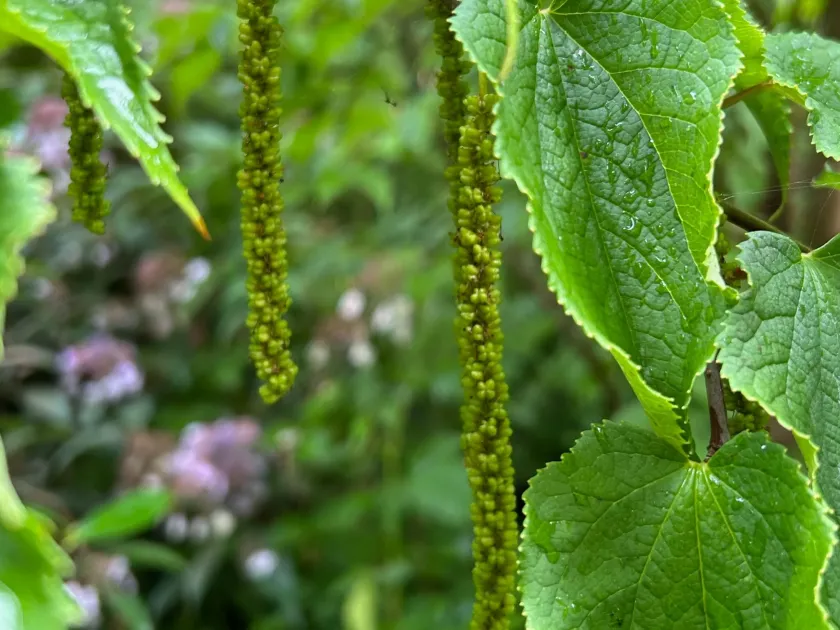
Description
Sowing dates
Propagation of Tapiscia sinensis is primarily achieved through seed sowing, which often requires a period of cold stratification to break dormancy and ensure germination.
Seeds are typically sown in autumn in a prepared nursery bed or in containers, mimicking the natural conditions experienced by the species in its native mountain habitats.
It is essential to maintain a consistent moisture level in the substrate, as the seeds are sensitive to dehydration during the lengthy germination process.
Once seedlings have developed several true leaves, they should be carefully transplanted into larger pots to allow for adequate root development before field planting.
Optimal timing for final planting into the garden is during the early spring, ensuring that the young tree can establish itself before the heat of summer arrives.
Growing requirements
Tapiscia sinensis, a unique member of the Tapisciaceae family, originates from the temperate mountain forests of China and requires specific microclimatic conditions.
The tree thrives in fertile, deep, and well-drained soils that have a neutral to slightly acidic pH, avoiding areas prone to waterlogging which can rot the roots.
It prefers a location with partial shade, especially in its juvenile stage, to protect the foliage from intense heat and excessive solar radiation during peak hours.
Climatic requirements involve moderate humidity and protection from harsh, drying winds that can cause leaf scorch and inhibit the healthy growth of the canopy.
General maintenance includes mulching the base to retain soil moisture and providing organic fertilizers to supplement the nutritional needs of the growing tree.
Harvesting
Tapiscia sinensis is primarily utilized for its ornamental value in arboretums and private gardens, meaning traditional agricultural harvesting is not performed.
The beauty of the tree lies in its foliage and delicate flowers, and therefore, management practices are focused on pruning for shape and health rather than yield.
Nursery staff may collect seeds from mature trees during the late autumn for propagation purposes, which requires careful timing to ensure the seeds are fully ripened.
Harvesting for commercial timber is not standard practice, given the rarity of the species and its higher value as a botanical specimen in conservation efforts.
The harvesting of saplings for transplanting is the only significant activity that involves removing the plant from its primary growing site for sale or relocation.