
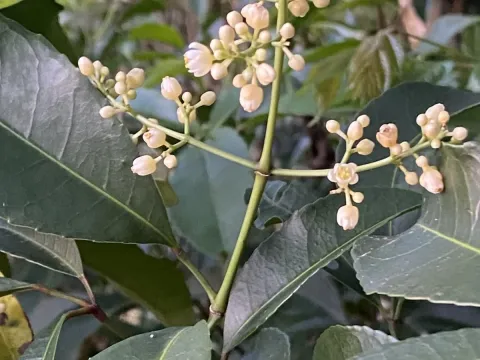
Staphylea ternata
Staphylea ternata
Propagation of Staphylea ternata is typically achieved through seeds or vegetative methods, such as layering and cuttings. Seed sowing is best performed in the autumn or early winter in open ground, as the seeds require a long period of cold stratification to break dormancy.
What the section contains
Staphylea ternata
For spring sowing, seeds must undergo artificial stratification in a refrigerator for several months. The planting depth is usually between 2 and 4 centimeters, depending on the texture of the soil medium used.
The optimal time for planting seedlings in the garden is early spring, before active sap flow begins, or autumn, a month before the first frost. This timing helps the plant adapt to its new environment effectively.
When establishing plantations, a spacing of at least 1.5–2 meters between plants is required to allow for the future volume of the crown. Staphylea develops its root system slowly, necessitating ample space during initial growth stages.
Cuttings should be taken during the summer months using semi-hardwood shoots of the current year. Applying rooting hormones and maintaining high humidity under plastic covers significantly increases the success rate.
Staphylea ternata is a deciduous shrub belonging to the Staphyleaceae family, highly valued for its ornamental appeal during the flowering season. It thrives in temperate climates and prefers sites protected from harsh, drying winds.
The plant has specific soil fertility requirements: it develops best in humus-rich, loamy substrates with a neutral or slightly alkaline pH. Waterlogging in the root zone is extremely detrimental to the plant's health.
While the plant requires good light exposure, it tolerates partial shade well, making it suitable for various garden compositions. Direct midday sun can sometimes cause minor leaf scorch on young, tender foliage.
Regular watering is essential, especially during the flowering and fruit-setting stages. Mature specimens demonstrate moderate drought tolerance, but prolonged dry spells require supplemental irrigation to maintain vigor.
Agronomic maintenance includes annual sanitary pruning in early spring to remove dead, damaged, or overcrowded branches. Application of balanced mineral fertilizers at the start of the growing season stimulates healthy foliage development.
The agricultural value of Staphylea ternata lies primarily in its aesthetic and culinary properties. It is highly prized for its unique, inflated bladder-like fruit capsules that retain visual interest well into late autumn.
In certain culinary traditions, the flower buds and young, tender shoots are harvested and used as food, often pickled or boiled. They possess a distinctive, spicy flavor that is appreciated in gourmet cooking.
The seeds contain fatty oils, which makes the plant a potential subject for research in food and cosmetic industries. However, large-scale commercial cultivation for oil production is not currently widespread.
The high nectar productivity of this species makes it a valuable early-season source for honeybees, enhancing the biodiversity of orchards or gardens situated near apiaries.
With proper care, the yield of flower buds from a mature shrub is sufficient for home use. Harvesting is typically done just before the flowers fully open to ensure the best texture and flavor quality for culinary preparation.
Staphylea ternata is considered relatively resistant to most common diseases affecting ornamental shrubs. However, improper drainage or poor cultural practices can lead to the development of fungal infections.
Root rot is the most serious threat when soil moisture levels are excessive. Preventive measures include ensuring well-draining soil and avoiding overwatering, especially in heavy clay-based substrates.
Pests such as aphids or leafrollers may target young shoots during the first half of the summer. To protect the plants, the use of biological insecticides or organic repellent sprays is highly recommended.
Frost damage to shoots can occur during severe, snowless winters, which may weaken the plant's immune system. In northern regions, mulching the root zone with peat or wood chips provides necessary winter protection.
Effective disease prevention relies on maintaining a clean garden environment and sanitizing pruning tools between plants. Starting with high-quality, disease-free nursery stock is key to the long-term success of this crop.