
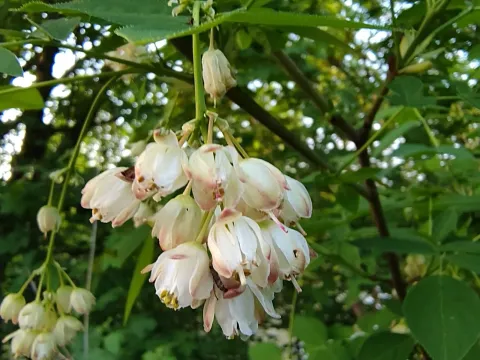
European bladdernut
Staphylea pinnata
Propagation of Staphylea pinnata is most commonly achieved through seeds or vegetative methods. Seeds exhibit a deep physiological dormancy, which requires a prolonged period of cold stratification for 3 to 6 months to ensure successful germination.
What the section contains
European bladdernut
Sowing seeds directly into open ground is recommended during the autumn season, allowing the seeds to undergo a natural chilling cycle throughout the winter. Seeds should be planted at a depth of 3–5 cm depending on soil texture.
Vegetative propagation via cuttings is best performed during the summer months, typically between June and July. Semi-hardwood cuttings are prepared and treated with rooting hormones to improve the success rate of propagation.
Transplanting seedlings to their final location is ideally done in early spring or autumn while the plant is in a dormant state. Preparing the planting pits in advance ensures enough room for proper root system establishment.
It is important to note that Staphylea pinnata has a relatively slow growth rate in its early years, therefore, consistent care and attention during the establishment phase are essential for long-term health.
European bladdernut belongs to the Staphyleaceae family and is a deciduous shrub native to Central and Southeastern Europe. The plant prefers moderately warm climates but demonstrates significant winter hardiness suitable for various temperate zones.
The culture has specific requirements regarding soil and atmospheric moisture. Fertile, loose loamy soils or chernozems with a neutral to slightly alkaline pH are ideal for optimal growth.
The plant is shade-tolerant, making it a common choice for woodland gardens or understory planting. However, to maximize flowering and fruit development, placing the plant in sunny or partial shade locations is recommended.
Agronomic requirements include regular watering during dry spells, especially during the plant's development stages. Stagnant water is detrimental, so adequate drainage must be provided when planting in heavy soil types.
Protecting the shrub from strong, cold winds is vital. For planting, sheltered spots near buildings or windbreaks are ideal to ensure the plant's structural integrity and budding success.
The fruit of the bladdernut consists of papery, inflated pods containing seeds that have a flavor reminiscent of pistachios. Agricultural interest in this plant focuses on harvesting these seeds, which are rich in high-quality vegetable oils and proteins.
A mature shrub can produce several kilograms of fruit when managed with appropriate agricultural techniques. Fruiting typically begins 3 to 5 years after vegetative propagation, while seedlings may take longer to reach reproductive maturity.
The nutritional value of the seeds makes this plant a promising candidate for home gardens and small-scale orchards as an alternative food crop.
Beyond the seeds, the flower buds of the bladdernut are highly valued. In some regions, they are pickled as a gourmet delicacy, which significantly increases the economic and practical value of the crop.
Yield stability is dependent on the absence of late spring frosts, which can damage tender flower buds and significantly reduce the volume of the harvest.
Staphylea pinnata is generally considered highly resistant to common garden pests and diseases. However, improper management or adverse climatic conditions can occasionally lead to susceptibility.
Fungal issues, such as leaf spot or powdery mildew, pose the main threat, usually appearing under conditions of high humidity and poor air circulation within the shrub's canopy.
Pests such as aphids or leaf-eating insects may appear, but infestations are rarely severe. Minimal intervention with insecticides or natural biological controls is usually sufficient to maintain the plant's health.
Disease prevention is best achieved through timely sanitary pruning to remove damaged wood and ensuring adequate airflow through the shrub's structure. Maintaining the overall vigor of the plant remains the best defense.
If intervention becomes necessary, the use of environmentally friendly biological products is highly recommended, as the fruits are often harvested for human consumption.
Harvesting bladdernut fruits is conducted as they mature, indicated by the pods turning a straw-like color and beginning to dry out, typically occurring in late August or September.
For culinary use, the flower buds are harvested before they fully bloom, while they are still firm and succulent. This requires careful timing to ensure the highest quality product for processing.
After harvesting the fruits, they must be hulled to remove the papery covers and dried in a well-ventilated area. Proper drying preserves the seeds' flavor and prevents spoilage during storage.
Seeds should be stored in airtight containers in a cool, dark, and dry place to maximize the longevity of their natural oils and nutritional profile.
Care must be taken during harvest to avoid damaging the shrub's branches, as the plant is sensitive to aggressive pruning and requires intact buds for the following year's production.