
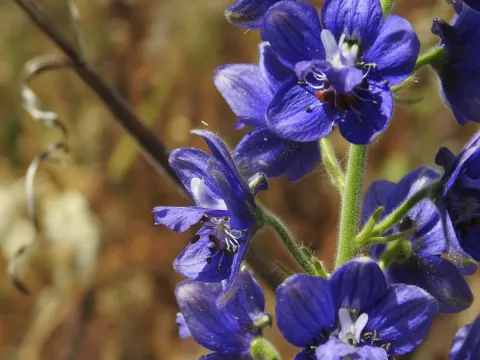
Staphisagria
Staphisagria
Staphisagria is a light-demanding plant, so it should be sown in open, sunny areas. Seeds are typically sown in late autumn or early spring, as soon as the soil warms up to about 10–12 degrees Celsius.
What the section contains
Staphisagria
The seeding depth should be shallow, between 1 and 2 centimeters, as the seeds need adequate light exposure to trigger germination. Ensuring constant soil moisture during the emergence phase is essential for success.
The recommended row spacing is 40–50 centimeters, which allows for mechanical maintenance between rows and ensures proper air circulation, minimizing the risk of foliage diseases.
Before sowing, the field must undergo deep plowing and organic fertilization. It is crucial to ensure the area is free from perennial weeds, which can compete with the young crop for water and nutrients.
To improve germination rates, it is recommended to stratify the seeds at low temperatures for one month before planting. This practice significantly increases the seedling vigor in field conditions.
As a member of the Ranunculaceae family, Staphisagria prefers well-drained, light-textured soils. Excessive moisture leads to root rot and can cause widespread crop failure, making drainage a priority.
The plant is demanding regarding soil fertility. It thrives in neutral or slightly alkaline soils that are rich in humus, ensuring a steady supply of nutrients throughout the vegetation period.
Climatic requirements mirror Mediterranean conditions with mild winters. The crop is sensitive to severe frost, so in colder regions, it requires either protective covering or management as an annual plant.
Moderate but regular watering is required, particularly during dry spells. A lack of water causes the plant tissues to harden prematurely and reduces the concentration of beneficial secondary metabolites.
Protection from wind is vital, as tall stems are susceptible to lodging. Planting in sheltered areas or using structural supports can help maintain the physical integrity of the crop throughout its life cycle.
The yield of Staphisagria is measured by the weight of dried medicinal raw materials, primarily seeds and leaves. Under optimal conditions, farmers can expect a harvest of 8 to 12 centners per hectare.
Biological productivity is highly dependent on solar intensity. Warmer southern regions often see higher yields and better accumulation of alkaloids, which determines the overall market value of the crop.
Timing the harvest is critical; the crop must be gathered when seeds are technically mature. Delaying the harvest leads to seed shedding, resulting in significant yield losses on the field.
Applying phosphorus and potassium-based fertilizers can effectively boost production. Nitrogen levels must be carefully controlled to prevent excessive leaf growth at the expense of seed development.
Dried raw materials maintain their properties for up to two years if stored correctly. This extended shelf life allows for flexible market timing and efficient supply chain management for the producer.
The most significant threats to the crop include powdery mildew and various types of root rot. These diseases are often triggered by improper moisture management or overcrowding of the plants.
Common pests include cutworm larvae and wireworms, which can severely damage the root systems of young plants. Aphid infestations are also frequently observed during the active growing season.
Preventative fungicide applications should be performed early in the season. However, because the plant is harvested for its active compounds, strict compliance with safety intervals is mandatory.
Crop rotation is the most effective cultural strategy for managing disease pressure. It is recommended to avoid planting Staphisagria on the same land for at least four to five years.
Phytosanitary inspection of seeds prior to sowing is an essential protective measure. Treating seeds can effectively mitigate the risk of early fungal infection and ensure a uniform crop density.
Harvesting begins when the seed capsules turn brown and reach maturity. This process requires great caution, as the plant contains potent toxic alkaloids that can cause skin and respiratory irritation.
Cut stalks are usually bundled in small sheaves to complete the drying process under a ventilated shed. Proper airflow is necessary to prevent mold growth during the initial stage of processing.
Once the capsules are fully dry, threshing is performed, followed by cleaning the seeds of any debris. Final drying occurs in controlled conditions with temperatures not exceeding 40 degrees Celsius.
Field staff must wear appropriate personal protective equipment, including gloves and respirators. Dust from dried plants is highly irritant and must be managed during the handling process.
Storage should be conducted in dry, dark, and well-ventilated areas. Using moisture-proof containers protects the harvest from pests and environmental degradation, ensuring the quality of the medicinal material.