
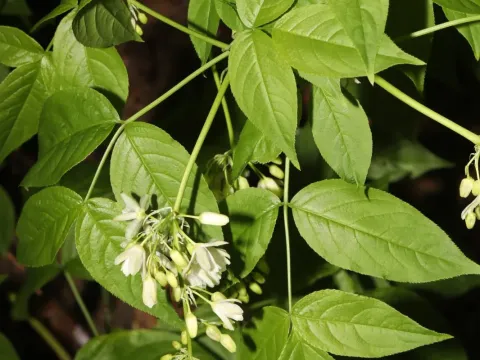
Staphylea colchica
Staphylea colchica
Staphylea colchica propagation via seeds requires a mandatory stratification period to break dormancy. Seeds should be sown in autumn in open ground or kept in cold storage for three to four months before spring sowing.
What the section contains
Staphylea colchica
Vegetative propagation is commonly performed through greenwood cuttings collected in mid-summer. These cuttings must be placed in a high-humidity environment and treated with rooting hormones to ensure successful development of the root system.
The optimal time for planting established seedlings is during early spring or late autumn when the plant is dormant. Providing well-draining soil and adequate spacing is essential to prevent future competition and disease buildup.
Spacing between individual plants should be at least 1.5 to 2 meters to allow for adequate canopy growth. Proper spacing is critical for air circulation, which helps reduce the risk of fungal infections within the dense foliage.
First-year care must include regular monitoring of soil moisture levels and mulching. Mulch helps maintain root temperature and suppresses weeds, which is crucial while the shrub is establishing its deeper root system.
Belonging to the Staphyleaceae family, Staphylea colchica is native to the Caucasus region and thrives in temperate climates. It prefers sunny locations but can tolerate partial shade, especially in warmer southern regions.
The ideal soil profile for this species is deep, nutrient-rich, and well-draining loam. The plant is sensitive to waterlogged conditions, making it essential to choose a site that prevents standing water near the base of the shrub.
Although somewhat drought-tolerant once established, irrigation is necessary during the blooming phase to ensure proper development of the flower buds. Inconsistent water availability can lead to premature flower drop.
Routine maintenance includes annual pruning to remove dead or diseased wood. Pruning also encourages the growth of new shoots, which are necessary for high-yield flower production in the following season.
Winter hardiness is moderate, but young plants require protection during their first few years in colder climates. Mature shrubs typically demonstrate significant resilience to local temperature fluctuations.
The primary economic product of this crop is the unopen flower buds, widely known in its native region as dzhondzholi. These buds are fermented and pickled, creating a unique, spicy culinary delicacy.
Yield capacity improves with plant maturity and proper canopy management. Full production potential is usually reached several years after planting, requiring consistent care and adequate nutrient input.
Harvesting is labor-intensive and must be done by hand. The timing of the harvest is narrow, requiring the picker to collect the buds when they are fully formed but still tightly closed to maintain the desired culinary texture.
In addition to food production, the shrub is an excellent pollinator attractant. Its flowers provide a significant nectar source, supporting local honey bee populations and promoting biodiversity in the agricultural ecosystem.
The wood of the bladdernut is dense and durable, sometimes utilized in small-scale carpentry for craft items or decorative objects. This provides an additional secondary value for farmers managing these shrubs.
Disease management in Staphylea colchica focuses primarily on preventing fungal issues caused by excessive humidity. Powdery mildew can be a recurring problem if foliage density prevents sufficient drying.
Common pests include aphids and spider mites, which feed on the tender new growth. Integrated Pest Management (IPM) strategies, including biological controls, are recommended over heavy chemical reliance to protect local pollinator populations.
Root rot is a significant risk in heavy, compacted soils. Proper site selection and soil amendment with organic matter are the most effective preventive measures against soil-borne pathogens.
Leaf rollers and other minor insect pests may occasionally damage the foliage, though usually, these are not lethal. Regular inspections help in identifying outbreaks before they escalate into crop-threatening levels.
Maintaining high plant vigor through balanced fertilization with phosphorus and potassium is the best natural defense against pests and diseases. Healthy plants naturally resist minor infections and recover faster from mechanical stress.
Harvesting usually occurs in late spring or early summer. The window for optimal harvesting is short, often lasting no more than 10 days, requiring active monitoring of the shrub's development.
The buds are delicately clipped from the branches. It is vital to avoid damaging the fruiting wood, as the plant relies on these structures for future seasons' yields and overall shrub health.
Post-harvest handling is critical for quality control. Buds should be processed or refrigerated immediately after picking to stop fermentation and preserve their flavor profile until pickling begins.
Because the harvest is delicate and time-sensitive, it is often a community-based effort in regions where dzhondzholi is a traditional product. This manual approach ensures that only the highest quality buds reach the market.
After the harvest, a light application of fertilizer helps the shrub recover. By restoring nutrients, the grower ensures that the plant has enough energy to initiate next year's growth and flower bud formation.