
Turpinia
Turpinia
Turpinia is a genus belonging to the family Staphyleaceae, comprising evergreen trees and shrubs primarily found in tropical and subtropical regions across Asia and the Americas. These plants thrive in the humid forest understory, adapting to filtered light and constant moisture levels.
What the section contains

Turpinia
For successful cultivation, Turpinia requires a warm climate with consistent temperatures and high atmospheric humidity. As a tropical species, it cannot withstand frost, making it suitable mainly for tropical forestry or greenhouse environments in temperate regions where climate control is available.
Soil requirements for this plant are centered on fertility and drainage. It performs best in nutrient-rich, loamy soils that can hold moisture without becoming waterlogged. The addition of organic matter during planting significantly enhances the growth rate of young specimens.
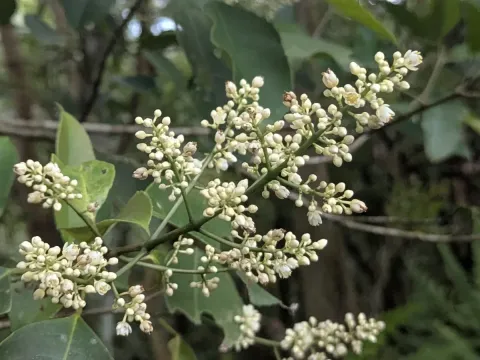
Botanically, the species is recognized by its opposite, pinnately compound leaves and paniculate inflorescences. The fruit consists of leathery capsules containing seeds, which contribute to the ecological role of the tree by attracting seed-dispersing wildlife in their natural habitat.
Economic uses of Turpinia are primarily regional, focusing on the utilization of its wood for small-scale carpentry and tools. Additionally, certain species are valued in botanical landscaping and horticultural collections due to their elegant foliage and unique inflorescence structures.
The main threats to Turpinia include root rot pathogens that proliferate in poorly drained soils. Fungal infections can quickly compromise the tree's health, leading to leaf drop and stunted growth, necessitating proactive management of irrigation systems and soil aeration.
Common pests affecting the genus include scale insects and spider mites, particularly when grown in sheltered conditions. Implementing a rigorous monitoring schedule and utilizing horticultural oils or biological control agents helps maintain the health of the canopy and prevents widespread infestation.