
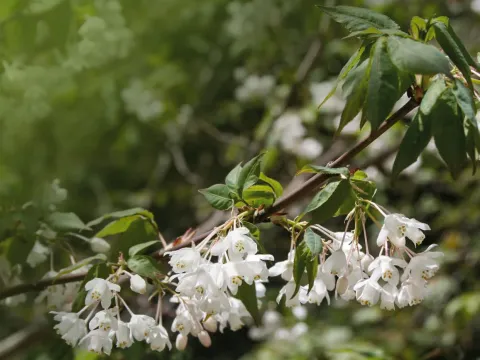
Chinese bladdernut
Staphylea holocarpa
Propagation of Staphylea holocarpa is typically achieved through seeds or vegetative methods, such as cuttings. Seeds require mandatory prolonged stratification at low temperatures, which can take up to 3–4 months for successful germination in the spring.
What the section contains
Chinese bladdernut
Sowing seeds in open ground is carried out before winter, allowing them to complete a natural cooling cycle. If using the seedling method, containers are placed in a cool area or cold storage to mimic winter conditions.
Cuttings are taken in the summer using semi-hardwood shoots of the current year. To encourage rooting, growth stimulants are used alongside a lightweight, well-draining substrate, while maintaining high air humidity.
Transplanting seedlings to their permanent location is done in the spring, once the threat of frost has passed, ensuring the young plants have time to adapt to the site conditions before the following winter.
The planting site should be well-prepared by tilling the soil, incorporating organic fertilizers, and ensuring good drainage to prevent stagnant moisture near the roots.
Staphylea holocarpa is a deciduous shrub from the Staphyleaceae family, native to regions of Central and Eastern China. The plant is prized for its high ornamental value, particularly during the flowering season, when it produces elegant, pendulous racemes of white or pale pink flowers.
For optimal growth, the crop prefers sunny or lightly shaded locations protected from cold northern winds. Moderate, fertile loamy soils with a neutral or slightly acidic pH are ideal for this species.
The plant possesses moderate cold hardiness, so in regions with harsh winters, mandatory covering or mulching of the root zone is required. In southern regions, the bladdernut performs better and exhibits faster vegetative growth.
Agronomic practices include regular but moderate irrigation, especially during dry periods. It is important to avoid waterlogging, which can lead to root rot, a condition particularly critical for younger specimens.
Pruning is an essential part of maintenance: sanitary trimming is performed in early spring, while formative pruning should be done immediately after flowering to shape the bush and encourage next year's flower bud formation.
The primary use of Staphylea holocarpa in agriculture and gardening is for the ornamental landscaping of parks, private gardens, and botanical collections. It looks excellent as a specimen plant or as part of shrubbery compositions.
In some regions of its origin, the fruits find culinary uses, but the primary value of the crop remains aesthetic. Breeding efforts with this species are aimed at obtaining more winter-hardy varieties with prolific flowering.
The economic value also lies in the plant's melliferous properties, as abundant flowering attracts many pollinators, which has a positive impact on the biodiversity of the local garden environment.
The productivity of the shrub in terms of aesthetic appeal is increased by applying complex mineral fertilizers at the beginning of the growing season, which stimulates active shoot growth and vibrant leaf color.
With proper care, the lifespan of Staphylea holocarpa can span several decades, making it a durable and valuable component of landscape compositions.
The crop is relatively resistant to most typical garden diseases; however, during periods of excessive humidity, it may be susceptible to fungal infections such as powdery mildew or leaf spot.
Among pests, sucking insects, particularly aphids, pose the greatest danger, potentially damaging young leaves and flower buds during the spring and summer periods.
To prevent pest infestation, timely insecticide treatment is recommended at the first signs of insects, along with maintaining optimal agronomic practices that exclude stress for the plant.
Fungal diseases are prevented through fungicidal treatments at the start of the season and by maintaining proper spacing during planting to ensure adequate air circulation within the shrub's canopy.
Regular inspection of the bushes helps identify problems at early stages, which significantly simplifies the management of potential threats and helps maintain the plant's aesthetic appearance for many years.