
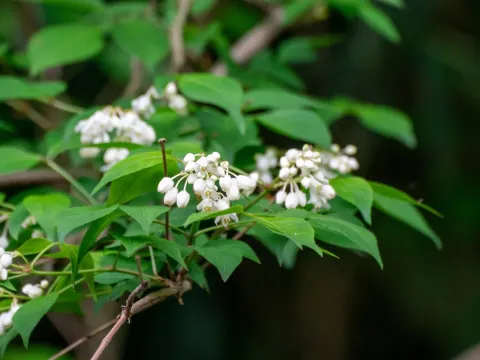
Staphylea bumalda
Staphylea bumalda
Staphylea bumalda, commonly known as a type of bladdernut, is typically propagated via seeds or vegetative cuttings. Seeds possess a deep dormancy and require a period of cold stratification for at least three to four months to ensure successful germination.
What the section contains
Staphylea bumalda
For best results, seeds should be sown in late autumn in well-drained soil, allowing natural winter temperatures to complete the stratification process. If using containers, keep the substrate moist but not waterlogged to prevent seed rot before the spring emergence.
Cuttings are usually taken in mid-summer from semi-hardwood growth. These cuttings should be treated with a rooting hormone and placed in a high-humidity environment, such as a cold frame or a propagation tent, to facilitate successful root development.
Transplanting seedlings to their final garden position should occur in early spring, just before active growth begins. It is vital to handle the root ball with care to minimize transplant shock and ensure the plant establishes quickly in its new environment.
Young plants require consistent monitoring for moisture levels during their first two years. During dry spells, a deep, slow watering method is preferred over frequent shallow watering to encourage deeper root system formation.
Staphylea bumalda is a member of the Staphyleaceae family and originates from the forest regions of East Asia. It thrives best in partial shade, mimicking the dappled light of its natural woodland habitat, although it can tolerate more sun in cooler regions.
The soil must be rich in organic matter, fertile, and maintain an acidic to neutral pH. Excellent drainage is essential, as the species is prone to root rot if the soil remains waterlogged, especially during the dormant winter period.
While the shrub is relatively hardy, it appreciates a sheltered location protected from harsh, drying winds. Providing a windbreak or planting near structures can significantly improve the growth and flowering density of the plant.
Regular maintenance involves light pruning to shape the canopy and remove dead or diseased branches after the flowering season concludes. This ensures that the plant remains healthy and improves its overall aesthetic value in the landscape.
Mulching the root zone with organic compost or leaf mold helps regulate soil temperature and moisture. This is especially important in extreme climates to protect shallow roots from freezing temperatures and heat stress.
Although robust, Staphylea bumalda may be susceptible to fungal infections like powdery mildew, particularly in humid and poorly ventilated conditions. Regular inspection and the application of fungicides can keep these issues under control.
Pests such as aphids and spider mites can occasionally affect the foliage. Using insecticidal soaps or horticultural oils is usually effective in managing these populations without causing long-term harm to the shrub.
Poor soil aeration and persistent moisture are the primary causes of root decay. To prevent this, ensure that the planting site has been properly prepared with coarse sand or gravel to aid water passage through the soil profile.
Winter injury to the bark can occur during rapid fluctuations in temperature. Wrapping the trunks of younger specimens with breathable burlap can help mitigate the risk of sunscald and bark cracking during the late winter months.
Small mammals, particularly rodents, can cause damage to the bark at the base of the plant during the winter. Installing a wire mesh protector around the base of the shrub provides an effective barrier against such physical damage.