
Euscaphis
Euscaphis Siebold & Zucc.
Euscaphis is a genus of deciduous shrubs and trees belonging to the Staphyleaceae family. Native to East Asia, including regions in China and Japan, it is highly valued for its striking appearance and distinctive seed pods.
What the section contains

Euscaphis
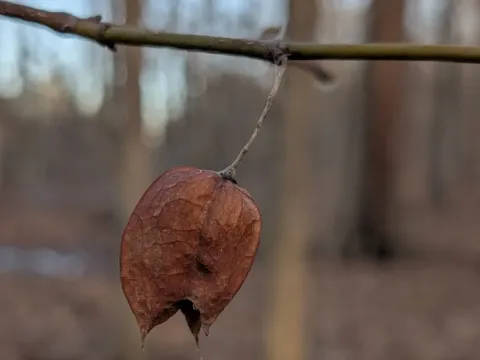
Botanically, Euscaphis is characterized by compound, glossy green leaves with serrated margins. The plant produces unique, bright red, leathery capsules that split open to reveal shiny, black seeds, providing a high level of aesthetic interest during the autumn months.
The cultivation of Euscaphis requires well-drained, fertile soil with a slightly acidic to neutral pH level. It thrives in locations that receive full sun but can tolerate partial shade, provided the environmental conditions mimic its native forest-edge habitat.
Climatic requirements involve a preference for temperate to subtropical climates with adequate moisture during the growing season. While generally hardy, young plants require protection from severe winter frosts and strong, desiccating winds to ensure healthy development.
In terms of хозяйственное usage, Euscaphis serves primarily as an ornamental specimen in gardens and arboretums. Its unique visual characteristics make it an excellent choice for autumn landscaping and high-end floral design applications.
Harvesting of Euscaphis for ornamental purposes takes place when the seed capsules reach their peak coloration, typically transitioning from green to a vibrant coral-red.
Manual harvesting is the standard practice, as it ensures that the delicate structures of the capsules remain intact, preserving their visual appeal for dried arrangements or decorative displays.
It is crucial to time the harvest carefully, as waiting too long may lead to the natural dehiscence of the pods, causing the seeds to drop prematurely.
Following harvest, the stems or pods should be dried in a ventilated area away from direct sunlight to prevent discoloration and maintain the structural integrity of the capsules.
For those interested in propagation, seeds should be collected from fully matured pods and stored under temperature-controlled conditions to maintain viability before stratification.