
Euscaphis japonica
Euscaphis japonica (Thunb.) Kanitz
Description
Sowing dates
Propagation of Euscaphis japonica is typically performed using seeds, which require a mandatory stratification period of two to three months in cold conditions.
Sowing in open ground or containers is usually carried out in the autumn, allowing the seeds to undergo natural winter dormancy before spring germination.
Alternatively, vegetative propagation via semi-hardwood cuttings is practiced in mid-summer to maintain the specific characteristics of the parent plant.
Cuttings should be treated with rooting hormones and placed in a well-draining, lightweight potting medium under conditions of controlled humidity.
Young plants are sensitive to root disturbance, so careful transplanting is essential to ensure they establish themselves successfully in their permanent location.
Growing requirements
Euscaphis japonica is a deciduous shrub or small tree belonging to the Staphyleaceae family, native to East Asian regions including Japan, Korea, and China.
The plant thrives in locations with full sun exposure, although young specimens may benefit from partial shade during the hottest parts of the summer day.
Soil requirements include well-drained, fertile loam with a neutral or slightly acidic pH level to support optimal root health and vigorous development.
Adequate moisture management is crucial; while the plant requires consistent watering, it must not be allowed to sit in waterlogged soil to prevent rot.
In regions with harsh winters, protection of the root zone and the main stem is recommended until the plant reaches a sufficient level of maturity and hardiness.
Yield
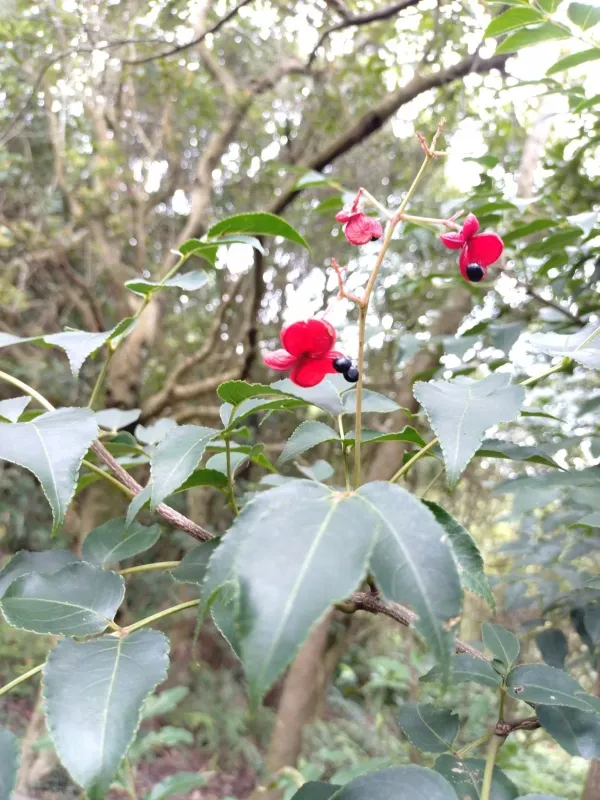
The primary value of Euscaphis japonica is ornamental, as it is prized for its spectacular deep-red seed pods that open to reveal shiny dark seeds.
In traditional practices, these seeds have been utilized for their medicinal properties, often prepared as extracts or tonics to support health.
The aesthetic harvest of the pods peaks in late autumn, providing a striking visual appeal that makes it a popular choice for botanical collections.
Yield and ornamental performance depend significantly on light exposure and soil nutrient availability throughout the primary growing season.
As a garden element, the plant is versatile, often serving as a focal point or a unique structural addition to modern landscape architecture designs.
Main diseases and pests
Euscaphis japonica is generally recognized as a robust species with a high level of natural resistance to most common garden pests and diseases.
Potential threats include fungal infections, particularly leaf spot or powdery mildew, which can occur if airflow around the plant is insufficient.
Preventive maintenance involves regular pruning to improve aeration within the canopy and the removal of any diseased foliage found during inspections.
In cases of infestation by pests like aphids or spider mites, standard horticultural insecticidal soaps or biological controls are effective solutions.
Monitoring the plant during the early growth stages is the most effective strategy to ensure long-term health and mitigate any emerging pest issues.