
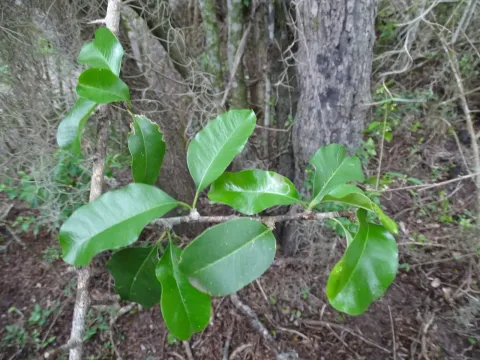
Sideroxylon palmeri
Sideroxylon palmeri
Sideroxylon palmeri is a perennial woody plant belonging to the Sapotaceae family. Known for its xerophytic adaptations, this species is well-suited to the harsh conditions of arid tropical environments.
What the section contains
Sideroxylon palmeri
The plant is native to the dry regions of Mexico, where it grows in rocky terrains and semi-desert scrublands. Its evolution in such environments has equipped it with high tolerance to drought and thermal fluctuations.
To ensure optimal growth, the species requires well-draining, calcareous soil. Any stagnation of water near the root zone is detrimental, so cultivation in pots or raised beds with porous medium is highly recommended.
Climate requirements involve high annual temperatures and intense sunlight. As a tropical plant, it does not possess frost hardiness, necessitating a controlled environment in greenhouses if grown outside its native range.
Agrotechnical practices involve a strict control of irrigation, especially during the dormant season. The plant exhibits a slow growth habit, which means fertilizer applications should be sparse and focused on balanced NPK ratios to support healthy tissue development.
The economic value of Sideroxylon palmeri remains niche, focusing on botanical conservation and specialized nursery trade. Its density of wood makes it an interesting subject for studies on plant structural integrity.
While members of the genus Sideroxylon are known for having edible fruits, the yield of S. palmeri is not commercially significant. Its primary role in human-managed systems is as an ornamental or genetic resource.
The most common disease threat is root rot, induced by improper drainage and waterlogged soil conditions. Ensuring a sterile growing medium is essential to prevent soil-borne pathogens from attacking the root system.
Common pests include scale insects and mealybugs, which are problematic in protected environments. Regular monitoring and the application of horticultural oils or contact insecticides are typically sufficient to control these populations.