
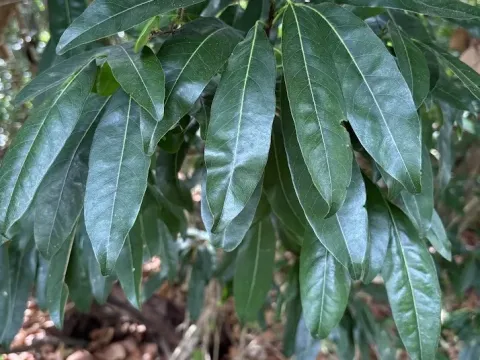
Sideroxylon foetidissimum
Sideroxylon foetidissimum
Sideroxylon foetidissimum is a prominent member of the Sapotaceae family. Known commonly as the mastic tree, it is a sturdy, evergreen hardwood native to the tropical regions of the Caribbean and Florida.
What the section contains
Sideroxylon foetidissimum
The tree thrives in well-drained limestone or sandy soils. It is highly valued for its exceptional salt tolerance, allowing it to flourish in coastal environments where other species fail.
Climatically, this species requires a warm, frost-free environment to achieve optimal development. It is highly resistant to wind, making it an excellent candidate for windbreaks.
As a light-demanding species, Sideroxylon foetidissimum should be planted in open areas with maximum solar exposure. It grows slowly during the establishment phase, requiring patience from growers.
Agricultural management is relatively straightforward due to the species' drought tolerance, although young plants require regular moisture to establish a robust root system.
The primary economic output of this species is its dense and durable timber. Historically, it has been used extensively for high-quality furniture, interior trim, and structural building components.
Due to its high wood density and resistance to decay, the timber is prized for outdoor applications and specialized woodworking where longevity is a priority.
Beyond wood production, the tree serves a crucial ecological function by stabilizing soil on coastal land, effectively preventing erosion during storm events.
The fruit of the tree provides a significant food source for local bird species and wildlife, which enhances the overall biological productivity of the managed area.
Modern forestry practices focus on sustainable harvest cycles, ensuring that the slow growth of the tree is balanced with carefully planned long-term utilization.
The most significant threats to the health of Sideroxylon foetidissimum include various fungal pathogens that flourish under conditions of poor soil aeration and excessive humidity.
Pest infestations, particularly by wood-boring insects, can undermine the structural integrity of the timber if the tree is already stressed by drought or poor site selection.
Habitat loss and land-use changes continue to pose a threat to wild populations, emphasizing the need for organized cultivation in protected forestry settings.
Weed competition in young plantation stages can significantly reduce growth rates, necessitating effective site preparation and initial weeding programs.
- Root rot caused by waterlogged soil conditions
- Borer insect infestations in weakened specimens