
Tieghemella africana
Tieghemella africana
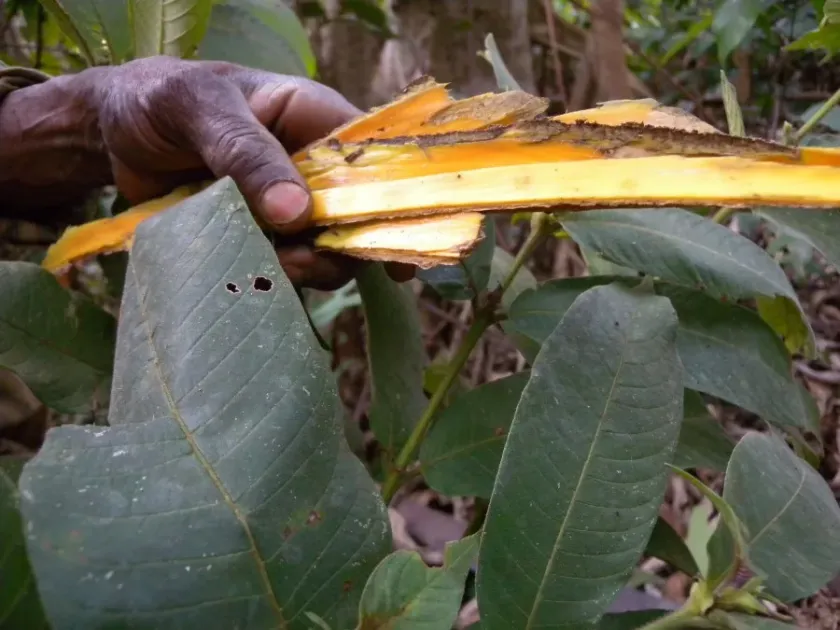
Description
Growing requirements
Tieghemella africana, commonly known as Makore, is a prominent member of the Sapotaceae family. This massive tropical tree species is native to the dense rainforests of Central and West Africa.
The tree thrives in climates characterized by high rainfall and warm temperatures throughout the year. It does not tolerate frost or prolonged drought, which can severely hinder its growth and development.
Requirements for soil include deep, well-drained, and nutrient-rich substrates. The species is highly sensitive to waterlogging, necessitating landscapes with natural drainage or carefully managed soil preparation.
Agricultural management of this crop involves maintaining canopy structure to encourage vertical growth. Proper spacing is essential to ensure that individual trees have access to sufficient light and soil resources.
Economically, Tieghemella africana is primarily valued for its durable and high-quality timber, often used in cabinetry and construction. Additionally, its seeds are extracted for fats, serving as a vital natural resource for local industries.
Main diseases and pests
The health of Tieghemella stands can be compromised by various fungal pathogens that thrive in moist, humid environments. Infections usually manifest as decay in the heartwood or bark, reducing the commercial viability of the timber.
Insect pests, particularly borers and wood-feeding beetles, pose a persistent threat to the logs. Implementing integrated pest management strategies is crucial for protecting trees from significant structural damage.
Harvesting
Fruit harvesting is performed manually during the peak of the ripening season. The process requires careful sorting to ensure that only the highest quality seeds are selected for fat extraction or propagation.
Timber harvesting is a long-term endeavor, as the trees require many decades to reach industrial maturity. Sustainable logging practices are strictly applied to ensure long-term availability of this precious forest resource.