
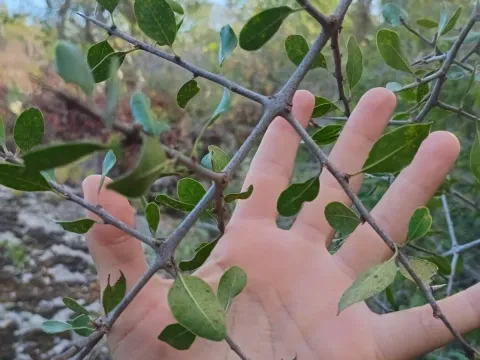
Sideroxylon obtusifolium
Sideroxylon obtusifolium
Sideroxylon obtusifolium is a remarkable tree species belonging to the Sapotaceae family. It is native to South America, particularly thriving in the unique environment of the Caatinga biome.
What the section contains
Sideroxylon obtusifolium
This species is highly drought-tolerant, making it an excellent candidate for reforestation and agroforestry projects in arid and semi-arid climatic conditions.
It prefers well-drained soils and shows a significant ability to grow in nutrient-poor or saline environments, demonstrating a high level of ecological plasticity.
The tree reaches moderate heights and features simple, alternate, and coriaceous leaves that are specifically adapted to minimize transpiration during extreme heat.
Economically, it is valued for its nutrient-dense fruits, which are consumed locally, and its durable wood, often utilized for small-scale construction and fuel production.
The primary threats to Sideroxylon obtusifolium include fungal infections such as root rot, which typically occur if the soil remains waterlogged for extended periods.
Pests such as stem borers and various coleopteran larvae can cause structural damage to the tree, reducing its overall health and yield of fruit.
Defoliating insects can also pose a problem during the early stages of the growing season, potentially hindering the tree's photosynthetic capacity.
Integrated pest management (IPM) is strongly advised, focusing on biological controls rather than synthetic pesticides to preserve the quality of the harvested produce.
Regular monitoring of bark and canopy health is essential to identify infestations early and prevent the spread of pathogens throughout the cultivation area.