
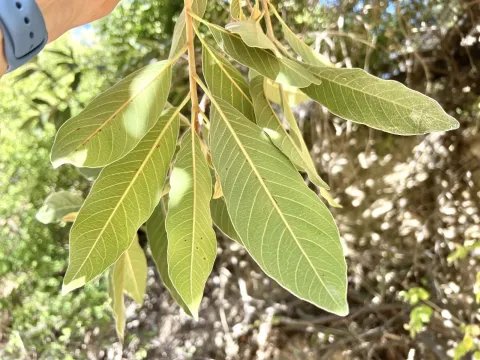
Sideroxylon tepicense
Sideroxylon tepicense
Sideroxylon tepicense is a woody plant species belonging to the Sapotaceae family. It is primarily known for its structural wood properties and is native to specific tropical and subtropical regions, requiring stable warm conditions for healthy development.
What the section contains
Sideroxylon tepicense
The plant thrives in well-drained, nutrient-rich soils. Agricultural success with this species depends heavily on maintaining soil structure, as compacted or waterlogged soils are detrimental to its root system and overall growth velocity.
Climatic requirements involve a frost-free environment with consistent temperatures typically ranging between 22 and 30 degrees Celsius. High atmospheric humidity is often beneficial for young specimens during their initial establishment phase.
Light exposure is a critical factor for Sideroxylon tepicense. While mature trees are adapted to higher light intensities, juvenile plants benefit from filtered light to prevent leaf scorching and desiccation of the apical meristem.
In terms of agricultural management, regular monitoring of soil moisture and nutrient levels is essential. Pruning is sometimes employed to ensure a balanced canopy structure, which is crucial for timber development and tree health.
The species is susceptible to various fungal pathogens that thrive in humid environments. Leaf spot diseases are common if the canopy density becomes too high, preventing adequate airflow within the tree crown.
Pest pressure from scale insects and mealybugs can affect the tree's vitality. These pests pierce the plant tissues to feed on sap, which can lead to stunted growth and secondary viral infections.
Root rot, often caused by improper drainage or excessive irrigation, remains the most significant threat to Sideroxylon tepicense. This condition is difficult to treat once advanced, making prevention the best strategy.
Effective management includes implementing a strict irrigation schedule and ensuring the use of disease-free planting material to prevent the introduction of soil-borne pathogens into the plantation.
Integrated pest management (IPM) practices, including the use of neem oil or targeted insecticidal applications, are recommended for maintaining tree health during the peak growing season.