
Sideroxylon borbonicum
Sideroxylon borbonicum
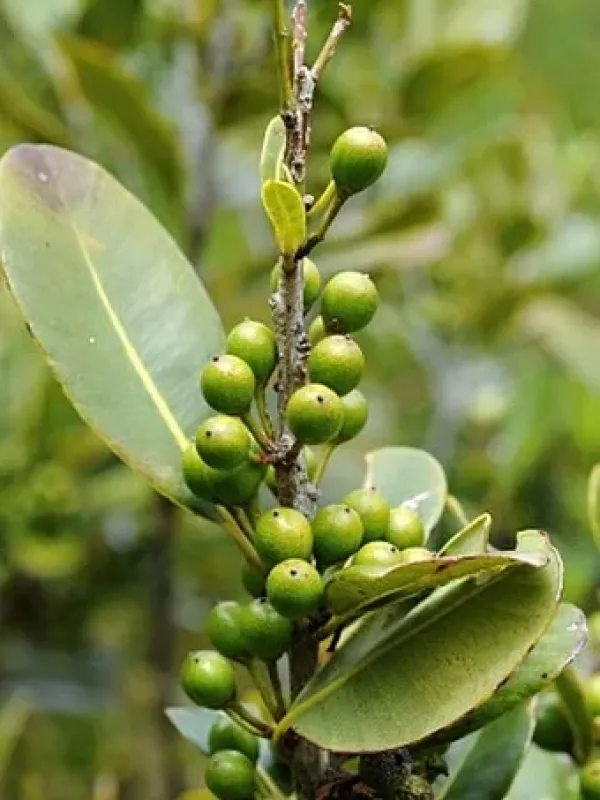
Description
Growing requirements
Sideroxylon borbonicum is a distinguished species within the Sapotaceae family, native to the volcanic slopes of Réunion island in the Indian Ocean.
The tree is characterized by its slow growth rate and the ability to thrive in tropical forest environments where soil moisture remains consistent.
Ideal conditions for this culture include deep, well-drained volcanic soils that allow the roots to penetrate deeply and establish a strong foundation.
Climatic requirements involve stable temperatures and protection from intense saline winds, which are common in coastal island habitats.
Proper agronomic management requires the application of organic mulch to maintain soil temperature and moisture during the plant's development stages.
Yield
Historically valued for its extremely dense and durable timber, the wood of Sideroxylon borbonicum is traditionally categorized among "ironwoods".
The harvest of timber is strictly regulated due to the rare and threatened status of the tree in its natural habitat, emphasizing conservation over commercial volume.
Yield metrics for this species focus on sustainable forestry, where reforestation projects aim to increase canopy cover and long-term timber production.
The fruits produced by the tree are essential components of the local ecosystem, providing sustenance for native bird and small mammal populations.
Future potential lies in sustainable plantations that prioritize ecological restoration while allowing for limited, non-destructive use of forest resources.
Main diseases and pests
The most significant threats to Sideroxylon borbonicum are invasive plant species that aggressively compete for light, water, and nutrients in the understory.
Root rot caused by moisture-loving fungi can be fatal, especially if the soil drainage in the cultivation area is insufficient or poorly maintained.
Herbivorous insects specific to the tropical environment can cause significant damage to young foliage, necessitating careful monitoring of canopy health.
Loss of genetic diversity due to restricted natural habitats leaves the species vulnerable to diseases that can spread rapidly through uniform populations.
Conservation strategies emphasize the need for protected corridors and biological pest control to ensure the longevity of cultivated and wild specimens.