
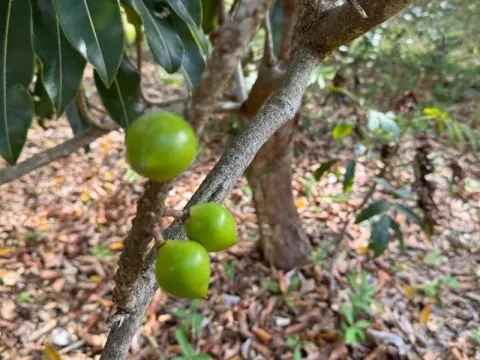
Sideroxylon majus
Sideroxylon majus
Sideroxylon majus is a rare tropical tree species belonging to the Sapotaceae family. It is primarily known as a native species to the island of Reunion, where it thrives in the specialized conditions of humid forest environments.
What the section contains
Sideroxylon majus
The plant requires a stable tropical climate with high humidity levels and constant temperatures. Frost is entirely lethal to this species, which limits its potential range strictly to equatorial or tropical zones with consistent warmth.
Soil requirements involve well-draining, nutrient-rich substrates that can retain moisture without becoming waterlogged. The species is highly sensitive to the physical properties of the soil, demanding a light and airy structure to support root respiration.
Agrotechnical care is focused on conservation rather than intensive cultivation. Given its endangered status, propagation efforts are handled by specialized botanical institutions to preserve the genetic integrity of the species.
Economic usage is currently nonexistent in agriculture, as the primary objective is to restore wild populations. The tree is valued for its contribution to the local ecosystem stability and its role in preserving endemic biodiversity.
Habitat fragmentation remains the primary threat to the survival of Sideroxylon majus. The loss of corridors between forest patches prevents natural pollination and long-term evolutionary adaptability of the species.
Invasive plant species present a severe challenge to seedling recruitment. These fast-growing competitors overwhelm native saplings, consuming available soil nutrients and blocking necessary sunlight from reaching the forest floor.
Pest populations can reach damaging levels during prolonged dry periods, weakening the tree structure. Regular field inspections are necessary to ensure that local populations do not succumb to widespread insect infestations.
Pathogenic fungi thrive in the humid environments preferred by the tree, posing a constant risk to the plant's vascular system. Management strategies must prioritize disease prevention through strict sanitary protocols in conservation zones.
Human activities, including unauthorized clearing and land development, remain a persistent danger to the remaining groves. Active protection and legal status are vital to ensure the tree does not vanish from the wild entirely.