
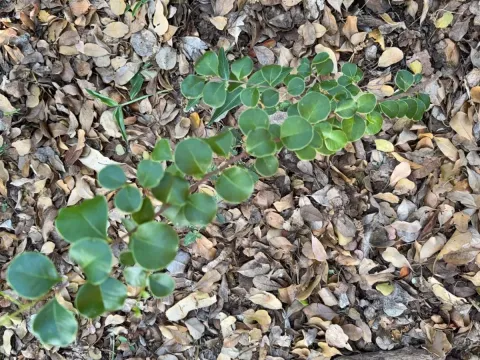
Sideroxylon obovatum
Sideroxylon obovatum
Sideroxylon obovatum is an evergreen woody species belonging to the Sapotaceae family. Its natural distribution is primarily centered in tropical regions where it thrives under high humidity and stable temperatures.
What the section contains
Sideroxylon obovatum
The plant requires well-draining soil rich in organic matter. While it is adaptable to various soil types, maintaining a constant moisture level without causing waterlogging is crucial for optimal development.
In terms of light exposure, the species prefers bright, indirect sunlight. Young specimens are particularly sensitive to direct solar radiation, which can scorch the foliage if not properly managed.
The climate requirements include warm conditions, typically avoiding any exposure to frost. If temperatures drop below a certain threshold, the plant suffers significant damage to its vascular tissues.
Botanically, it is known for its dense crown and leathery, obovate leaves. These features make it an excellent choice for landscape architecture in regions that match its ecological requirements.
Typical pests affecting this species include scale insects and mealybugs. These organisms can severely weaken the plant by feeding on the sap, leading to stunted growth and leaf drop.
Fungal pathogens pose a threat, particularly in poorly ventilated greenhouse environments. Root rot is a common issue when irrigation schedules do not account for soil drainage capacity.
Management of these threats involves careful monitoring and the use of integrated pest management strategies, such as biological control or localized application of horticultural oils.
Proper sanitation, including the removal of dead or decaying leaf litter around the base of the plant, is essential to minimize the risk of pathogen spread.
Preventative care, such as balanced fertilization, ensures the plant remains vigorous enough to withstand minor pest pressure without the need for aggressive chemical interventions.