
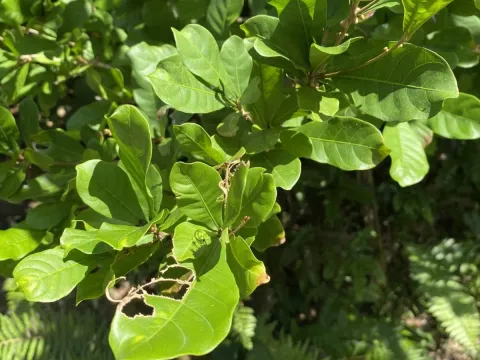
Synsepalum
Synsepalum
Propagation of Synsepalum (Synsepalum dulcificum) is primarily carried out by seeds, which lose their viability quickly, so they should be sown immediately after removal from a ripe fruit. The optimal time for sowing is during the spring-summer period when daylight hours are at their longest.
What the section contains


Synsepalum
For planting, use a light, breathable substrate based on acidic peat and perlite. The seeds are planted 1–2 cm deep in well-moistened soil, maintaining a germination temperature of 25–28 degrees Celsius.
Seedlings emerge quite slowly, a process that can take from three to eight weeks. At the initial stage, it is crucial to ensure stable air humidity and avoid direct sunlight hitting the delicate sprouts.
Cuttings are rarely used due to the plant's low ability to root. While the use of rooting stimulants increases the chances of success, the seed method remains the primary choice for this crop.
Young seedlings require careful transplantation into individual containers after the appearance of two to three pairs of true leaves to avoid damaging the sensitive taproot system.
Synsepalum belongs to the Sapotaceae family and is a classic tropical shrub that requires stable warmth and high air humidity. The plant is extremely sensitive to temperatures falling below 15 degrees Celsius.
The primary soil requirement is high acidity, with a pH level in the range of 4.5–5.8. Alkaline soils lead to chlorosis and the plant's death.
The crop prefers bright but indirect light, especially in its young stage. Direct midday sun can cause leaf burns, so shading is recommended in regions with intense sun.
Watering must be regular, using soft, settled water without lime. Water stagnation in the tray is unacceptable as it triggers root rot, so good drainage in the pot is mandatory.
For successful growth, regular fertilization with fertilizers for acid-loving plants is necessary, carried out during the active growing season once a month.
Synsepalum productivity begins to manifest in the 3rd to 4th year of life when grown from seeds. In indoor conditions, the plant fruits sporadically, whereas in natural tropical habitats, it fruits twice a year.
The fruits are bright red, elliptical berries about 2 cm long. Each berry contains one large seed surrounded by a thin layer of edible pulp.
The main value of the fruit lies in the presence of the protein miraculin. This component binds to tongue receptors and temporarily blocks the perception of sour and bitter tastes, replacing them with a sweet one.
The yield of a single adult bush in container culture is small, yet it holds high value for exotic enthusiasts and collectors of rare botanical species.
The fruits spoil quickly after harvest and cannot be transported long distances without special freezing or sublimation, limiting their mass commercial use.
The main pests of Synsepalum in closed environments are spider mites and mealybugs. They infest young shoots and the undersides of leaves in low-humidity conditions.
Fungal diseases, such as leaf spots, occur with poor ventilation and overwatering. Fungicides with a broad spectrum of action are used to combat them.
Leaf chlorosis is the most common physiological problem, arising from the use of improper irrigation water or a rise in soil pH levels.
Root rots are fatal to this species. They develop rapidly if drainage is poor or the root ball is subjected to cold temperatures.
Prevention of all threats lies in maintaining an optimal microclimate: high humidity, constant warm temperatures, and careful selection of an acidic substrate.
Harvesting is performed strictly as the fruits ripen, when they acquire a rich red color and become soft to the touch.
The berries are picked by hand, taking care not to damage the delicate skin, as mechanical damage causes the fruit to oxidize quickly and lose its properties.
Freshly picked fruits are best consumed within a few hours. To preserve the active substance — miraculin — it is recommended to store the fruits frozen.
The harvesting process requires precision, as the fruits are located directly on the plant branches and can be easily dislodged if the crown is handled carelessly.
After harvesting, it is recommended to lightly prune the bush to stimulate the formation of new fruit-bearing shoots in the next vegetation cycle.