
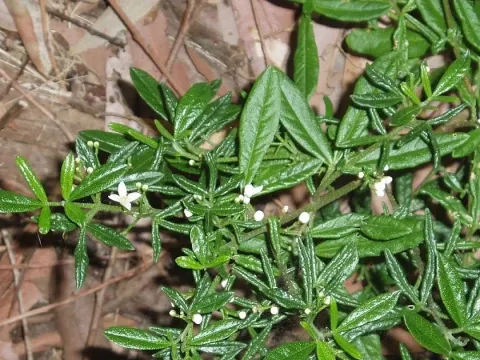
Zieria
Zieria
Zieria is a genus of evergreen shrubs and small trees within the Rutaceae family. Native primarily to Australia, these plants are known for their aromatic foliage and unique botanical structure.
What the section contains


Zieria
The leaves of Zieria are typically opposite and trifoliate, releasing a strong, distinct scent when crushed due to the presence of specialized oil glands. The flowers are small, usually with four petals, emerging from leaf axils.
Cultivation requires well-drained, acidic to neutral soil types. The plants have a low tolerance for waterlogged conditions, which necessitates careful soil preparation or the use of raised beds.
They thrive in temperate to subtropical climates, favoring locations with dappled shade. Exposure to intense, direct afternoon sunlight can lead to leaf scorching in certain species.
The agronomic management focuses on providing consistent moisture without saturation and utilizing fertilizers specifically formulated for native plants with low phosphorus content to prevent toxicity.
Zieria is commercially significant in the essential oil industry, as the leaves yield compounds with potential pharmaceutical and perfumery applications.
Harvesting involves the collection of foliage during the peak growing season. Precise timing is essential to ensure the maximum concentration of volatile oils within the plant tissues.
In ornamental horticulture, Zieria species are prized for their structural form and density. They are frequently used in xeriscaping and as components in native garden designs.
Following harvest, the material is typically processed via steam distillation to isolate high-purity oils. Proper storage of the harvested leaves is critical to prevent degradation of the aromatics.
Post-harvest care involves thinning the canopy to promote airflow, which helps maintain the plant's health and ensures robust regrowth for the next cycle.
Root rot is the primary threat to Zieria, largely stemming from improper soil moisture management. Ensuring a high-quality drainage profile is the best preventative strategy.
Common pests that affect the genus include scale insects and spider mites. These pests thrive in dry environments and can cause significant damage to the leaf structure.
Integrated pest management (IPM) is recommended, focusing on maintaining natural predator populations and using horticultural oils or soaps instead of harsh synthetic chemicals.
Environmental stress, such as extreme heat or frost, can weaken the plants, making them more susceptible to opportunistic pathogens and pest infestations.
Monitoring for discoloration or wilting in the foliage allows for early intervention, ensuring that the health of the entire crop or specimen is preserved.