
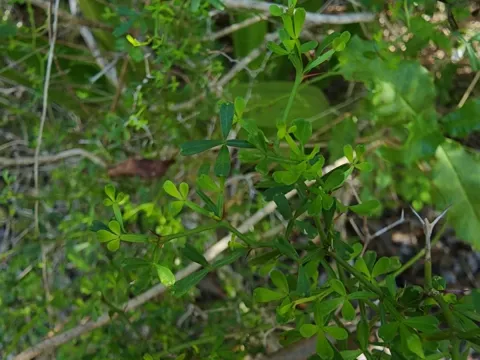
Zanthoxylum tragodes
Zanthoxylum tragodes
Zanthoxylum tragodes is a woody perennial species belonging to the Rutaceae family. It is recognized for its adaptive capacity in tropical and subtropical ecosystems, primarily found in the Caribbean region.
What the section contains
Zanthoxylum tragodes
The plant naturally thrives in well-draining limestone soils. It requires full sunlight exposure to maintain robust growth and the production of its characteristic secondary metabolites, including aromatic essential oils.
Botanically, this species is defined by its thorny stems and complex, pinnate foliage. These features act as natural defenses and contribute to its distinct morphological appearance within the Rutaceae family.
Agricultural practices for this crop emphasize the importance of soil moisture management. It is highly sensitive to waterlogging, necessitating a cultivation site with excellent permeability to prevent root decay.
Economic applications are diverse, ranging from potential medicinal use due to its alkaloid content to its value as a botanical resource for research and specialized nurseries in suitable warm climates.
The main threats to Zanthoxylum tragodes health are fungal infections typically induced by poor drainage or excessive atmospheric humidity, which can lead to rapid onset of root and crown rot.
Common agricultural pests include scale insects and spider mites. These organisms thrive in the hot, dry microclimates where the plant is typically grown, potentially stunting development.
Effective management requires rigorous field hygiene. Removing debris and maintaining proper spacing between plants helps significantly in reducing the risk of pathogen transmission.
Nutrient deficiency should also be monitored, as stressed plants are significantly more susceptible to opportunistic pest infestations and disease outbreaks in the plantation environment.
Integrated Pest Management (IPM) strategies, including the use of targeted biological controls, are recommended to maintain plant health while ensuring the purity of the final product.