
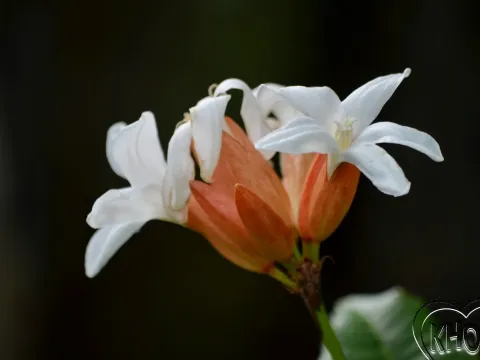
Erythrochiton
Erythrochiton
Erythrochiton is a genus of perennial evergreen plants belonging to the Rutaceae family. In the wild, these plants are predominantly found in the tropical forests of South America, with a significant concentration in Brazil.
What the section contains

Erythrochiton
Botanically, the culture consists of shrubs or small trees characterized by dense, leathery leaves and specialized aromatic glands typical of the family. The flowers of Erythrochiton are noted for their unique structure and bright perianth, making them highly desirable for botanical collections.
Successful cultivation of Erythrochiton requires consistently high air temperatures and protection from drastic temperature fluctuations. The plant prefers semi-shaded locations, as it is naturally an understory inhabitant and does not tolerate direct, scorching sunlight well.
Soil requirements include high moisture retention, rich organic content, and an essential drainage layer. The culture is extremely sensitive to waterlogging at the roots, so the substrate must provide excellent aeration and a slightly acidic pH level.
The economic value of Erythrochiton is primarily centered on ornamental horticulture and its use as a greenhouse specimen in temperate climate zones. Due to its unusual leaf and inflorescence morphology, the plant remains a subject of interest for rare tropical flora enthusiasts.
Typical threats to the development of the culture include fungal diseases of the root system, which arise primarily from improper watering practices. Excessive moisture in the substrate promotes rot, which can rapidly affect the aerial parts of the plant.
Among pests, spider mites and scale insects pose the greatest danger, as they thrive in the dry air conditions of greenhouses. Infestation typically leads to yellowing leaves, loss of turgor pressure, and eventual leaf drop.
Disease prevention involves strict control over soil moisture levels and ensuring regular ventilation of the growing space. It is also recommended to conduct periodic inspections of the leaf blades for pests, particularly on the undersides of the leaves.
The application of systemic fungicides is advisable only upon the first signs of pathogen infection. It is critical to strictly adhere to dosage guidelines, as many species within the Rutaceae family are sensitive to certain chemical compounds.
In its native habitat, the plant is exposed to specific tropical phytophagous insects, but in a controlled environment, issues are generally limited to the standard range of indoor and greenhouse plant pests.