
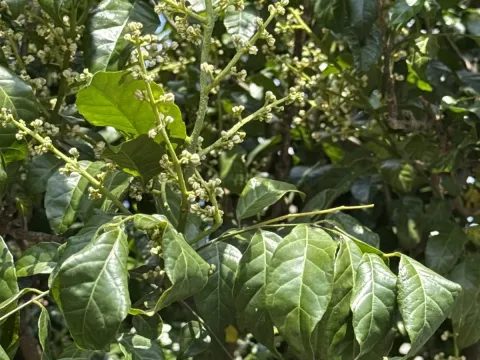
Clausena
Clausena Burm. f.
Propagation of Clausena is primarily achieved through seeds or stem cuttings. Seeds lose their viability quickly after extraction, so they should be sown immediately in a well-draining, nutrient-rich substrate.
What the section contains
Clausena
Maintaining a stable soil temperature between 22 and 25 degrees Celsius is crucial for consistent germination. Sowing is typically performed at the onset of the warm season or the rainy season in tropical regions.
Cuttings are preferred for maintaining the specific traits of the parent plant. Semi-hardwood cuttings are usually selected, treated with a rooting hormone, and placed in a moist, sandy medium to develop roots.
Seedlings require shaded conditions during their early development stages to prevent excessive water loss and foliage burn. Once they reach a height of approximately 30 centimeters, they are ready for transplanting.
Planting in the field should follow a wide spacing protocol, with at least 2.5 to 3 meters between rows to ensure adequate light penetration and airflow for mature trees.
Clausena belongs to the Rutaceae family, sharing similar botanical features with citrus plants. These evergreen shrubs and small trees are native to tropical and subtropical regions across Asia, Africa, and Australia.
The plant thrives in fertile, loamy, or sandy soils that possess excellent drainage capacity. Stagnant water is detrimental to the health of the roots, often leading to fungal infections and decline.
Clausena requires significant sunlight for optimal growth and fruit production. While young specimens can tolerate partial shade, mature trees should be positioned in areas with full, direct sun exposure.
Temperature management is vital, as the plant is sensitive to frost and extreme cold. It performs best in temperatures ranging from 20 to 30 degrees Celsius, typical of tropical and subtropical environments.
Regular irrigation is essential, especially during dry spells or the early growth phase. However, established plants exhibit a degree of drought tolerance, though yields are highest with consistent soil moisture.
The economic value of Clausena lies in its culinary, medicinal, and structural uses. Its leaves are highly aromatic and are used as a culinary herb in many cultures for flavoring various traditional dishes.
The fruits produced by several species are edible, containing essential vitamins and antioxidants. They are frequently used to produce refreshing juices, jams, and traditional snacks.
In traditional medicinal systems, various parts of the Clausena plant, including roots and leaves, are utilized for their antiseptic, anti-inflammatory, and digestive health benefits.
The wood of certain Clausena species is notably hard and durable. It is valued for making small tools, agricultural implements, and fine-detailed handicraft items.
Furthermore, the essential oils derived from the plant are increasingly sought after by the perfume and cosmetic industries due to their unique and pleasant scent profiles.
Common pests affecting Clausena include scale insects and mealybugs, which feed on the sap of young shoots and leaves. This feeding process often leads to leaf curling and stunted growth.
Management involves using eco-friendly insecticides or neem-based oils, which effectively control pest populations without leaving harmful chemical residues on the plant's edible parts.
Fungal diseases, such as anthracnose and various root rots, represent significant threats in high-humidity conditions. Maintaining proper spacing and pruning helps improve air circulation and reduces moisture-related risks.
Soil management, including regular weeding and ensuring proper drainage, is critical for preventing root-based pathogens. Avoid over-watering the soil, particularly during the cooler parts of the year.
Integrated pest management, combining physical monitoring with preventative pruning, is the most effective approach to keeping a Clausena plantation healthy and productive.
Fruit harvest is conducted when the fruits reach full physiological maturity, indicated by a characteristic color change and a slight softening of the skin. Hand-picking is recommended to avoid damage.
Leaves for culinary and herbal uses are harvested continuously throughout the growing season. Young leaves, which are rich in oils, are generally preferred for superior aroma and quality.
Fresh fruit is highly perishable and should be processed or marketed immediately following harvest. Cold storage can slightly extend shelf life but is generally not recommended for long-term preservation.
When harvesting foliage for medicinal purposes, drying should take place in a shaded, well-ventilated area to ensure that the essential oils are preserved and not degraded by sunlight.
Periodic pruning during the harvest process also helps in shaping the tree, stimulating new vegetative growth, and preparing the plant for the next season's yield.