
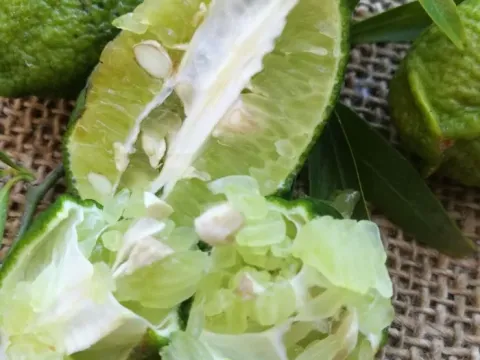
Citrus wintersii
Citrus wintersii
Citrus wintersii is a distinct species within the Rutaceae family, native to the mountainous rain forests of Papua New Guinea. This rare citrus is a subject of significant interest for botanical conservation and specialty citrus collections due to its wild lineage.
What the section contains
Citrus wintersii
Botanically, it functions as an evergreen shrub or a small tree characterized by thick, leathery leaves and a unique floral morphology. Unlike highly hybridized commercial citrus, this species retains characteristics closely associated with wild papedas, making it valuable for research and breeding programs.
The climatic requirements for Citrus wintersii are strict, necessitating a tropical or near-tropical environment. It thrives at temperatures between 18°C and 28°C and requires high ambient humidity, making it poorly suited for temperate outdoor climates without greenhouse protection.
Soil quality must be optimized for drainage and acidity. A porous, well-aerated potting mix with a pH between 5.5 and 6.5 is ideal. The inclusion of inorganic amendments like perlite or expanded clay is recommended to prevent waterlogging and root asphyxiation.
Agrotechnical management involves careful water delivery. Irrigation should be applied only when the top few centimeters of the substrate are dry. Frequent misting or the use of automated humidification systems is essential to simulate the high-humidity environment of its natural habitat.
The primary threats to Citrus wintersii include physiological stress induced by improper irrigation and pest infestation. Root rot, typically caused by Pythium or Phytophthora species, is the most common fatal condition resulting from overly wet growing conditions.
Spider mites are the most persistent pest in indoor cultivation. They thrive in dry, stagnant air, necessitating regular monitoring. Infestations lead to leaf chlorosis and premature leaf drop if left unchecked for an extended period.
Scale insects are another significant concern. These pests attach to the stems and leaves, extracting plant sap and secreting honeydew, which subsequently facilitates the growth of sooty mold, a fungus that inhibits photosynthesis by covering leaf surfaces.
Citrus tristeza virus and other viral pathogens can be transmitted via insect vectors. Strict biosecurity measures and the use of certified clean planting material are necessary to protect collections from systemic infections.
Management strategy focuses on integrated pest management (IPM), favoring biological controls and horticultural oils over broad-spectrum pesticides. Regular pruning is also vital to remove dead or diseased wood and maintain airflow throughout the plant canopy.