
Clymenia
Clymenia
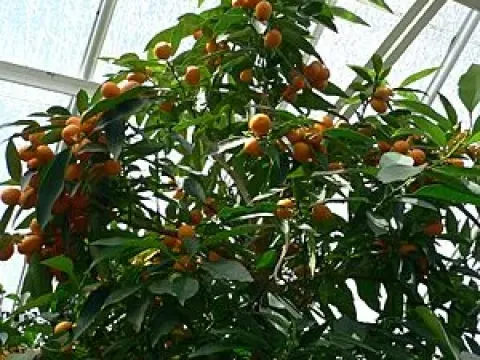
Clymenia (genus Clymenia) is a small genus of evergreen trees belonging to the Rutaceae family. Native to the islands of Papua New Guinea, this plant is closely related to the genus Citrus and represents an interesting subject for botanical research.
What the section contains


Clymenia
The plant thrives in tropical climates characterized by high humidity, consistent warm temperatures, and an absence of frost. It is highly sensitive to temperature fluctuations, which makes it challenging to cultivate outside of its natural habitat or specialized greenhouses.
Clymenia requires well-drained, fertile, and slightly acidic soil to thrive. Proper drainage is absolutely essential, as the roots are highly prone to rotting when exposed to waterlogged soil conditions for extended periods.
Botanically, the plant is distinguished by its leathery, aromatic leaves and unique floral structure, which differs from traditional commercial citrus varieties. The trees are typically compact and maintain a lush, green appearance throughout the year.
In indoor or greenhouse settings, consistent light levels and stable air circulation are necessary for optimal growth. It is important to avoid placing the plant in areas with strong, dry drafts that can cause leaf drop and stunt the tree's development.
The fruit of the Clymenia is used in local culinary traditions within its native range. It possesses a distinct citrus-like flavor, often described as a balance between sweet and acidic, making it suitable for fresh consumption or local cooking.
Harvesting frequency depends on the specific environmental conditions and the age of the tree. In ideal tropical environments, Clymenia can produce fruits multiple times throughout the year, although the total yield is generally lower than that of commercial citrus hybrids.
Due to the short shelf life of the fruits and their lack of commercial mass-market appeal, Clymenia is primarily grown in botanical gardens, by plant collectors, or for small-scale local consumption rather than large-scale agricultural production.
The fruits are often used in the preparation of local beverages, preserves, and traditional aromatic additives, where their unique essential oil profile is highly valued by local populations.
Research continues into the potential uses of its essential oils in cosmetics and food technology, as the plant possesses a unique chemical composition that differentiates it from common orange or lemon varieties.
Clymenia is susceptible to common pests that plague the Rutaceae family, including scale insects, spider mites, and whiteflies. Early detection through regular leaf inspections is crucial to maintaining the health of the plant.
Fungal diseases, such as root rot and leaf spot, represent a significant threat, usually caused by overwatering or poor ventilation within the growing space. Maintaining a dry foliage surface after irrigation helps prevent these issues.
Preventive measures include using sterile potting mixes, avoiding excessive nitrogen fertilization that promotes succulent, pest-prone growth, and ensuring adequate spacing between plants to allow for proper airflow.
Should an infestation occur, it is recommended to treat the plant with biological pest control methods or neem-based solutions, as the plant's delicate tissues may be sensitive to harsh synthetic chemicals.
Regular pruning of dead or diseased branches is a standard practice to keep the plant vigorous and to remove potential breeding grounds for pests and pathogens that could otherwise compromise the tree's immune system.