
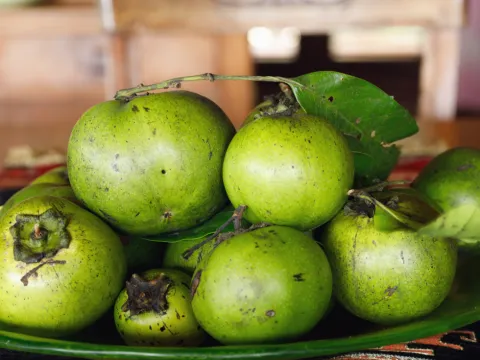
Casimiroa pubescens
Casimiroa pubescens
Casimiroa pubescens is a perennial fruit-bearing tree belonging to the Rutaceae family. It is distinct from its relative, the common white sapote, due to the fine, dense pubescence covering its leaves, which gives the tree its specific botanical name.
What the section contains
Casimiroa pubescens
Native to the high-altitude regions of Mexico, this tree is well-adapted to cooler subtropical conditions. It shows a higher tolerance for temperature fluctuations than many other strictly tropical members of the Casimiroa genus.
The tree thrives in well-drained, fertile, loamy soils with a neutral or slightly acidic pH level. Proper site selection is critical, as the roots are sensitive to waterlogging, which can easily trigger rot and tree decline.
Full sun is required for optimal growth, although young saplings benefit from light shade to prevent leaf scorch. As the tree matures, it develops a broad, spreading crown, requiring adequate spacing between trees in an orchard setting.
Agrotechnical maintenance includes consistent irrigation during the growing season and the application of organic fertilizers. Keeping the soil moisture levels stable without causing saturation is the key to healthy root development.
The fruit of Casimiroa pubescens is a round drupe featuring creamy, sweet flesh with a complex flavor profile reminiscent of banana, peach, and pear. Yields vary based on maturity and the effectiveness of cross-pollination in the local environment.
Commercially, the fruit is prized for its high nutritional value and creamy texture. It is primarily consumed fresh, but also serves as an excellent ingredient for smoothies, jams, and traditional regional desserts.
Seedlings typically begin to bear fruit between 5 to 8 years of age, whereas grafted specimens may produce sooner. Harvest season generally occurs during the autumn and winter months, requiring careful planning for logistics.
Pruning is essential to maintain tree shape and improve airflow within the canopy. Regular thinning of inner branches ensures sufficient light penetration, which is vital for the development of high-quality, evenly ripened fruits.
The harvest process must be handled with care, as the thin skin of the fruit is highly susceptible to bruising. Mechanical harvesting is rarely feasible, making manual picking the standard practice for high-quality fruit production.
Scale insects and mealybugs are the most common pests affecting this species. They cluster on leaves and young stems, extracting sap; monitoring and timely removal or biological control are recommended to maintain plant vigor.
Fungal issues, particularly root rot, pose the greatest threat to overall tree health. Ensuring proper drainage is the most effective preventive measure, as water-soaked soil creates a breeding ground for harmful pathogens.
Fruit flies can impact crop quality, potentially damaging the ripening fruit before harvest. Using pheromone traps and fruit bagging are sustainable methods to protect the harvest without relying heavily on chemical pesticides.
Effective weed management in the orchard is necessary to prevent competition for nutrients and water. Mulching with organic matter helps suppress weed growth while simultaneously improving soil structure and moisture retention.
High winds can cause structural damage to younger, more fragile branches. In areas prone to strong gusts, installing sturdy stakes and providing wind protection during the establishment phase is highly advised for orchard longevity.